


Early Symptoms of Pneumonia in a One-Month-Old Infant
Jun 10, 2022
Source: Cainiu Health

Dr. Guo Xiheng
Introduction
Symptoms of pneumonia in a one-month-old infant primarily include mild cough with sputum production, lethargy, poor appetite, or prolonged feeding time. Breathing may be coarse, labored, and rapid—even progressing to respiratory distress. Skin color may appear abnormal: sometimes pale, sometimes cyanotic, often accompanied by shortness of breath. Some infants develop fever, while others remain afebrile. Pneumonia in infants under one month of age typically presents with atypical symptoms.
Early Symptoms of Pneumonia in One-Month-Old Infants
Due to underdeveloped organs and weak immune systems, infants are highly susceptible to upper respiratory tract infections. If such infections are not treated promptly, they may progress to pneumonia. Every autumn and winter, many infants become vulnerable to pneumonia. So, what are the early symptoms of pneumonia in one-month-old babies?
Early Symptoms of Pneumonia in One-Month-Old Infants
The primary symptoms of pneumonia in one-month-old infants include mild coughing with phlegm, lethargy, poor appetite, or prolonged feeding times. Breathing may become coarse, labored, and rapid—even progressing to respiratory distress. Skin color may appear abnormal: sometimes pale, sometimes bluish (cyanotic), often accompanied by shortness of breath. Some infants develop fever, while others remain afebrile. Notably, pneumonia in infants under one month old often presents with atypical symptoms; however, once severe manifestations appear, immediate hospitalization is essential.
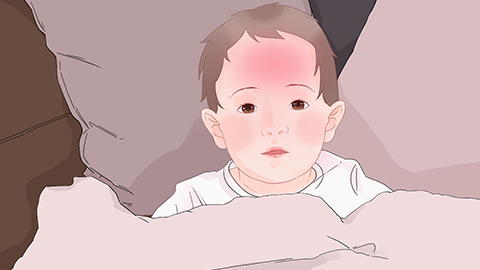
After developing pneumonia, breastfed infants should increase the frequency of breastfeeding daily to enhance nutritional intake and physical stamina. Caregivers must ensure adequate warmth and access to fresh air. Smoking indoors is strictly prohibited. During cold seasons, maintaining an appropriate indoor temperature is especially important—yet proper ventilation must still be ensured. Avoid taking the infant to crowded public places whenever possible. If an infant develops pneumonia, parents must administer medications strictly as prescribed by a physician and must never give drugs arbitrarily.
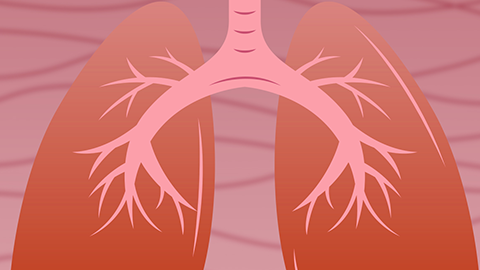
In daily life, everyone should cultivate healthy living and dietary habits. We hope this information proves helpful to you.



