Does an elevated erythrocyte sedimentation rate (ESR) indicate rheumatism?
Jun 10, 2022
Source: Cainiu Health

Dr. Liu Aihua
Introduction
An elevated erythrocyte sedimentation rate (ESR) is not necessarily indicative of rheumatic disease. ESR refers to the distance that red blood cells fall in one hour under standardized conditions in anticoagulated whole blood, commonly abbreviated as “sedimentation rate.” An accelerated sedimentation rate may occur in various inflammatory conditions, including rheumatic diseases such as rheumatic fever, rheumatoid arthritis, systemic lupus erythematosus, ankylosing spondylitis, polymyositis, and dermatomyositis.
Many patients with rheumatic diseases exhibit an elevated erythrocyte sedimentation rate (ESR) upon blood testing; however, an elevated ESR is not necessarily indicative of a rheumatic disease. In addition to an elevated ESR, patients with rheumatic diseases often present other symptoms—typical manifestations include joint involvement, swelling, and pain. So, does an elevated ESR mean rheumatism?
Does an Elevated ESR Indicate Rheumatism?
An elevated ESR is not always caused by rheumatic disease. ESR refers to the distance that red blood cells fall in one hour under standardized conditions in anticoagulated whole blood—commonly termed the “sedimentation rate.” An accelerated sedimentation rate may occur in various inflammatory conditions, including rheumatic diseases such as rheumatic fever, rheumatoid arthritis, systemic lupus erythematosus (SLE), ankylosing spondylitis, polymyositis, and dermatomyositis. Notably, ESR tends to rise markedly during active disease phases. However, not all rheumatic diseases cause a rapid increase in ESR; therefore, diagnosis of rheumatic disease cannot rely solely on an elevated ESR.

Individuals with an elevated ESR should maintain a balanced diet, engage in regular physical activity, and reduce salt intake. An elevated ESR results from accelerated settling of red blood cells and may be associated with inflammation, anemia, or other underlying conditions. Patients with elevated ESR should adopt healthy dietary habits—limiting intake of greasy and pickled foods, increasing consumption of fresh vegetables and fruits, and incorporating protein-rich foods. Regular aerobic exercise is recommended to improve overall fitness. Blood pressure should be monitored periodically at a healthcare facility. Additionally, maintaining a consistent daily routine—including adequate work–rest balance and sufficient rest—is essential.
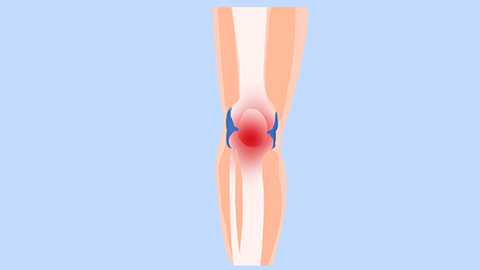
In daily life, cultivating sound lifestyle and dietary habits is crucial. We hope this information proves helpful to you.