


What should I do if my two-year-old baby is drooling excessively?
Jun 10, 2022
Source: Cainiu Health

Dr. Xie Zixing
Introduction
Drooling in babies is a very normal physiological phenomenon that cannot be avoided. It commonly occurs in infants aged 3 months to 2 years. At this stage, the salivary glands are not yet fully developed, nor is the swallowing function mature; additionally, the baby’s oral cavity is relatively small. As the salivary glands progressively mature and develop, they produce increasing amounts of saliva, leading to drooling.
Every baby is the apple of their parents’ eye. Some toddlers continue to drool excessively even at two years of age, causing great concern among parents. In fact, there are many possible reasons for infant drooling, so it’s essential for parents to provide appropriate daily care. So, what should you do if your two-year-old child drools heavily?
What to Do If Your Two-Year-Old Drools Excessively
Drooling in infants is a perfectly normal physiological phenomenon and cannot be entirely avoided. Babies aged three months to two years commonly experience drooling because their salivary glands are still developing, their swallowing reflexes remain immature, and their oral cavity is relatively small. As the salivary glands gradually mature, they produce increasing amounts of saliva—leading to visible drooling. To manage this, keep plenty of handkerchiefs on hand—preferably soft, highly absorbent cotton ones. These are used to gently wipe away saliva as it drips. Handkerchiefs should be sterilized regularly by boiling in hot water to prevent bacterial contamination and subsequent skin infection. When washing handkerchiefs, avoid vigorous scrubbing or rubbing, which may cause fraying; loose threads from worn-out cloths can easily scratch a baby’s delicate skin during wiping.
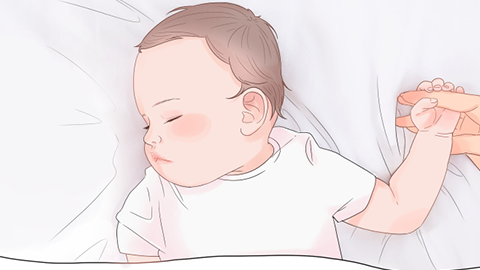
In addition, always keep extra bibs available and change them frequently to prevent soiling from drool. Because babies who drool often keep their mouths open, they’re more susceptible to bacterial exposure from the environment. Ensure your baby drinks boiled, cooled water regularly—this helps maintain good oral hygiene. Clothing, pillowcases, and bedding are also prone to saliva contamination; therefore, wash and replace these items frequently to prevent bacterial growth and safeguard your baby’s health.
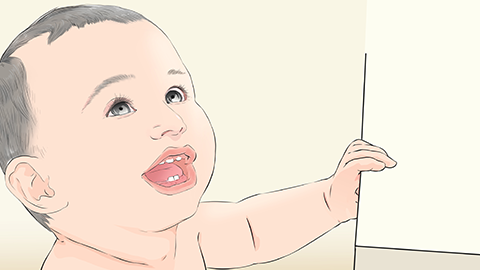
As your baby grows older, drooling typically improves progressively and usually resolves completely after age two. During this period, mothers should provide attentive, loving care to support healthy development. We hope this information proves helpful to you.






