


Does staying up late easily cause hair loss?
Jun 10, 2022
Source: Cainiu Health

Dr. Pan Yongyuan
Introduction
Staying up late can lead to hair loss. First, repeated late-night activity is directly associated with heightened mental stress and poor emotional well-being, which may directly trigger hair loss. Moreover, chronic sleep deprivation disrupts the body’s endocrine regulation, causing abnormal sebaceous gland secretion and increasing the risk of seborrheic dermatitis. Even excessive scalp oiliness alone can contribute to hair loss. Additionally, recurrent late-night activity weakens the body’s immune resistance.
Young people often lead irregular lifestyles: busy with work during the day and catching up on household chores—tasks that should ideally be done during daytime—at night. Over time, this delays their normal bedtime. Even after getting into bed, they frequently continue using their smartphones for a while. Chronic late-night activity leads to declining physical health—increased susceptibility to illness or colds, and general discomfort. So, does staying up late cause hair loss?
Does staying up late cause hair loss?
Yes, staying up late can contribute to hair loss. First, repeated sleep deprivation is closely linked to heightened mental stress and poor emotional well-being, both of which may directly trigger hair shedding. Moreover, chronic late-night activity disrupts the body’s endocrine regulation, leading to abnormal sebaceous gland secretion and increasing the risk of seborrheic dermatitis. Excessively oily hair, in turn, can also promote hair loss. Additionally, persistent sleep deprivation weakens the body’s immune defenses, potentially disturbing the natural balance of skin microbiota and predisposing individuals to fungal scalp infections—such as tinea capitis—which may further result in hair loss.
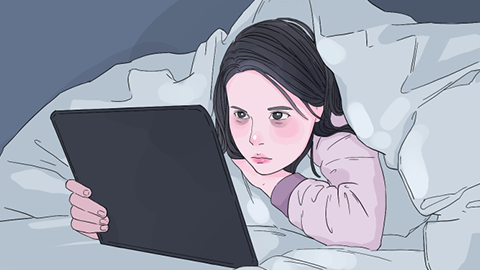
To address hair loss associated with staying up late, it’s essential to adjust one’s daily routine. Replace unhealthy sleep habits with consistent, regular sleep patterns—aiming to go to bed early and rise early—and ensure adequate, high-quality sleep to help alleviate hair loss symptoms. Nutritional intake also requires attention: maintain a balanced diet rich in essential nutrients, particularly vitamins A and B. Increasing intake of trace elements and high-quality protein further supports healthy hair growth. In addition, gentle scalp massage—including light tapping on the head—can enhance local blood circulation and promote hair regrowth.

We recommend that individuals cultivate healthy lifestyle habits and avoid frequent late-night activity. We hope this information proves helpful to you.





