


What should I do about snoring and sleep apnea?
Jun 11, 2022
Source: Cainiu Health

Dr. Guo Xiheng
Introduction
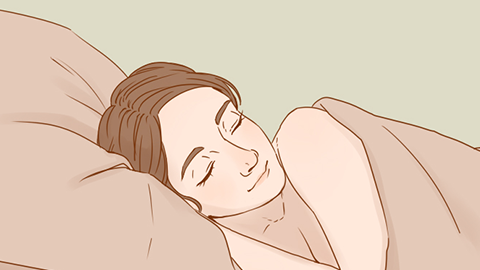
Several methods can help prevent snoring. Avoid sedatives, sleeping pills, and antihistamines before bedtime, as these medications may exacerbate suppression of the respiratory center’s regulatory function. Sleeping in a lateral (side-lying) position is also recommended. Generally, adopting an appropriate sleeping position helps prevent relaxation and drooping of the tongue, soft palate, and uvula during sleep—thereby reducing upper airway obstruction. Pillows should not be excessively high.
Snoring is a common sleep phenomenon often overlooked by people; however, it poses significant threats to human health. Snoring has underlying causes—so how can one prevent snoring?
How to Prevent Snoring
Several strategies can help prevent snoring. Avoid sedatives, sleeping pills, and antihistamines before bedtime, as these medications may further suppress the respiratory center’s regulatory function. Sleeping on one’s side is also recommended. Generally, adopting an appropriate sleeping position helps prevent relaxation and downward displacement of the tongue, soft palate, and uvula during sleep—thereby reducing upper airway obstruction. Pillows should not be excessively high; their width should ideally match the shoulder width on one side. A small pocket can be sewn onto the back of sleepwear, into which a small rubber ball may be placed to discourage supine sleeping—effectively preventing snoring. Regular physical exercise to strengthen overall health, maintaining good sleep hygiene, and weight management are also essential.
Occasional snoring is usually harmless; however, habitual snorers may face serious health risks. Partial or complete airway obstruction during sleep leads to recurrent breathing interruptions. Affected individuals frequently awaken from sleep, resulting in fragmented, shallow sleep, daytime drowsiness and fatigue, and chronic headaches. Long-term obstructive sleep apnea often contributes to hypertension and increases the risk of cardiac hypertrophy, myocardial infarction, and stroke. Individuals with habitual snoring should seek timely medical evaluation and treatment.

In daily life, cultivating healthy lifestyle and dietary habits is crucial. We hope this information proves helpful to you.






