


What Causes Teeth Grinding in Children?
Jun 11, 2022
Source: Cainiu Health

Dr. Xie Zixing
Introduction
Bruxism in children may be associated with psychological factors, neurological factors, occlusal (dental bite) abnormalities, and intestinal parasitic infections, among other causes. If a child eats or becomes overly excited shortly before bedtime, it may affect other neural regions of the brain, leading to involuntary contraction of the masticatory muscles during sleep and resulting in bruxism. Bruxism may also stem from dysfunction of the central nervous system.
Bruxism—teeth grinding—is a common condition familiar to most people, affecting both adults and children. While individuals who grind their teeth are often unaware of it, the noise can disturb others sharing the same room. Bruxism not only impairs sleep quality but may also pose certain health risks—particularly for children. So, what causes bruxism in children?
What Causes Bruxism in Children?
Bruxism in children may stem from psychological factors, neurological abnormalities, occlusal (bite) disorders, or intestinal parasitic infections. For instance, eating shortly before bedtime or excessive excitement during play may overstimulate other neural regions of the brain, triggering involuntary contractions of the masticatory muscles during sleep and resulting in teeth grinding. It may also reflect dysfunction of the central nervous system, leading to heightened cerebral excitability and restless sleep, thereby promoting bruxism. Occlusal disturbances represent one of the primary etiologies: children with poor dental development or discomfort associated with primary tooth eruption may develop bruxism. Additionally, intestinal parasites can release toxins that irritate the intestinal wall; via neural pathways, these toxins continuously stimulate the cerebral cortex during sleep, causing spasms of the masticatory muscles and subsequent teeth grinding.
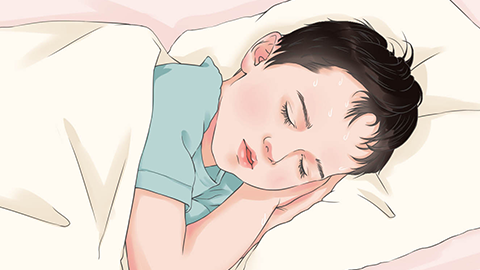
Because bruxism significantly impacts children’s physical development, timely prevention is essential. Before bedtime, encourage relaxation—avoid stimulants (e.g., caffeine-containing foods), smoking, and overly exciting activities. Gentle exercises, a warm bath, or soothing music can help calm the mind and improve the sleep environment. Avoid coffee, chocolate, cola, and similar stimulants; instead, increase intake of vitamin-rich foods. Warm compresses applied to the upper and lower jaws, or acupuncture, may help relax the masticatory muscles. If occlusal dysfunction arises from dental issues, orthodontic intervention may be warranted. Always brush teeth before bed and avoid overeating at night. Ensure adequate dietary calcium intake and perform regular deworming.
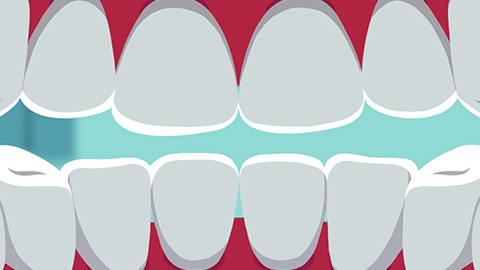
Given its substantial impact on children’s health, bruxism warrants proactive treatment and prevention. We hope this information proves helpful to you.







