


What should I do if my child is drooling excessively?
Jun 11, 2022
Source: Cainiu Health

Dr. Xie Zixing
Introduction
Excessive drooling in children warrants the following precautions from parents:
- Place a clean scarf around the child’s neck to prevent saliva from soaking into clothing.
- When the child drools, gently wipe the saliva with soft, clean tissues, taking care to avoid irritating or injuring the child’s delicate skin.
- Parents may mix a small amount of salt with warm water.
In daily life, many parents notice that their children drool at various developmental stages. So, what should parents do if their child drools excessively?
What to Do If a Child Drools Excessively
If a child drools excessively, parents should take the following steps: Place a clean scarf around the child’s neck to prevent saliva from soaking into clothing. When the child drools, gently wipe the saliva with soft, clean tissues—taking care to avoid irritating or injuring the child’s delicate skin. Parents may also mix a small amount of salt with warm water and dampen a clean, soft cloth with this solution to gently wipe away oral debris, helping keep the mouth fresh and clean. If excessive drooling is caused by dental caries, saliva production may increase further as gingivitis develops, worsening the drooling. In such cases, parents should take the child to a professional dental clinic for examination and treatment.
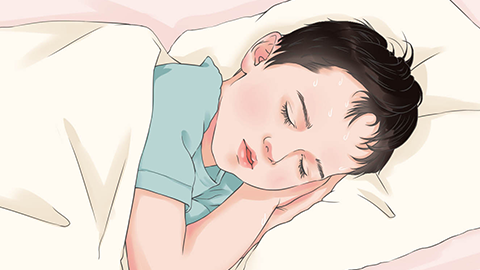
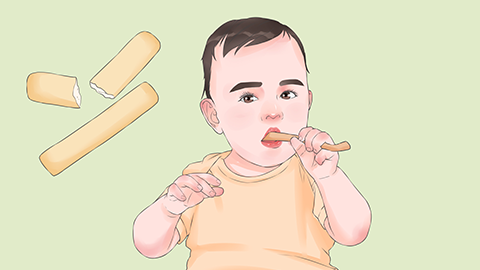
If a child drools excessively, offering appropriate teething aids—such as teething rings, teething sticks, or teething biscuits—can help relieve gum discomfort associated with tooth eruption, support the emergence of primary teeth, and reduce drooling triggered by teething. When eating with a spoon, the mouth naturally performs a closing motion; therefore, encouraging the child to frequently use a spoon helps them learn this movement more quickly and effectively strengthens chewing ability.
Drooling in children can range from benign to clinically significant. If it results from normal physiological development, parents should regularly wipe away saliva to prevent redness, swelling, or irritation around the chin and mouth corners. However, if drooling stems from an underlying pathological condition, parents should promptly bring the child to a hospital for a thorough evaluation and targeted treatment. We hope this information proves helpful.





