


How to Correct Myopia
Jun 29, 2022
Source: Cainiu Health

Dr. Chen You
Introduction
Myopia correction methods should be selected based on age. Generally, refractive error stabilizes after age 18. Therefore, in addition to conventional corrective options such as spectacles and contact lenses, corneal laser surgery or intraocular lens implantation may also be considered for vision correction. In individuals under age 18, however, the axial length of the eye continues to increase annually, and myopia progression typically continues.
Indeed, contemporary electronic technology has entered a phase of rapid development. Electronic devices are ubiquitous in our daily lives. Due to prolonged mobile phone use, many people experience noticeable vision problems—particularly myopia—which adversely affects ocular health. To address this issue promptly, myopia correction should be considered. But how is myopia corrected?
How Is Myopia Corrected?
Myopia correction strategies should be tailored according to age. Generally, refractive error stabilizes after age 18. Therefore, in addition to conventional optical corrections such as spectacles and contact lenses, adults may consider refractive surgeries—including corneal laser procedures (e.g., LASIK, SMILE) or intraocular lens implantation—to correct vision. For individuals under 18, however, the axial length of the eye continues to increase annually, and myopia progression remains active; thus, surgical intervention is not recommended. The most straightforward approach is optical correction with spectacles. Yet a key limitation exists: spectacles alone offer limited efficacy in controlling myopia progression, necessitating adjunctive interventions. Currently, evidence-supported methods for slowing myopia progression include orthokeratology (Ortho-K) lenses, low-concentration atropine eye drops, light-diffusing devices (e.g., peripheral defocus training instruments), defocus-incorporated soft contact lenses, and defocus-designed spectacle lenses. Some of these modalities also provide visual correction. Children may select one or more appropriate control and correction strategies based on their age, overall health, and family circumstances.
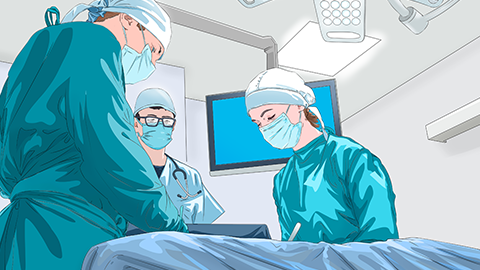
Myopia can be corrected either optically (with spectacles or contact lenses) or surgically. The optimal correction method depends on the severity of myopia. In cases of mild to moderate myopia, corrective eyewear—such as standard spectacles or contact lenses—is typically sufficient. It is essential to use corrective lenses appropriately—for instance, avoiding prolonged near work (e.g., extended computer use). Daily eye exercises and frequent viewing of distant greenery are also recommended. In contrast, high myopia (typically defined as ≥−6.00 D) may warrant surgical correction.
After surgery, patients are advised to rest adequately, avoid spicy or irritating foods, minimize smartphone use, and protect their eyes from excessive sunlight exposure. We hope this information proves helpful.







