


Can myopia be reversed?
Jun 29, 2022
Source: Cainiu Health

Dr. Chen You
Introduction
If complete restoration of myopia is desired, surgical intervention—rather than simply removing glasses—can be pursued. Wearing corrective eyeglasses and adopting healthier daily habits can only help prevent further progression of myopia; they cannot fully restore normal vision. Myopia, however, can be treated surgically—for example, via laser refractive surgery or intraocular lens (IOL) implantation. Laser refractive surgery includes two main types: excimer laser surgery and femtosecond laser surgery. Surgical treatment for myopia generally incurs higher costs.
People often say that the eyes are the windows to the soul—through them, one can behold all the beauty in the world. Yet many of us wear thick eyeglasses daily, and over time, this can significantly affect our appearance. So, can myopia (nearsightedness) be reversed?
Can Myopia Be Reversed?
Complete reversal of myopia is possible only through surgical intervention—allowing individuals to discard their glasses permanently. Wearing corrective lenses and adopting healthier daily habits can only help prevent further progression of myopia; they cannot fully restore normal vision. Surgical treatments for myopia include laser refractive surgery and intraocular lens implantation. Laser procedures are further categorized into excimer laser surgery and femtosecond laser surgery. The cost of surgical treatment for myopia tends to be relatively high; therefore, patients may select an appropriate option based on their financial capacity. With advances in modern medicine, surgical correction of myopia has become a highly refined and well-established clinical procedure—its safety and efficacy are well-documented and widely affirmed.
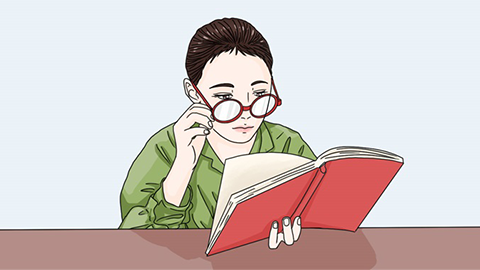
For children and adolescents, key strategies for preventing myopia include ensuring at least two hours of outdoor activity per day. Consistent daily outdoor exposure has been shown to effectively reduce the risk of developing myopia in young people. Eye protection is also essential: when reading or writing, maintain an appropriate distance between the eyes and the text—ideally over 33 cm. Avoid prolonged near-vision tasks; continuous close-up work should not exceed 45 minutes. After each 45-minute session, take a 10-minute break and gaze into the distance—preferably at green plants—to relax the eye muscles.
Develop the habit of performing eye exercises correctly. Ensure adequate indoor lighting during study sessions—never read in dim or dark environments. We hope this information proves helpful to you.





