


Can filamentary keratitis resolve spontaneously?
Jun 29, 2022
Source: Cainiu Health

Dr. Chen You
Introduction
Filamentary keratitis does not always resolve spontaneously; therefore, early diagnosis and treatment are recommended. Filamentary keratitis is commonly caused by viral infection, corneal epithelial desquamation, or ocular surgery. Patients frequently experience symptoms such as ocular redness, photophobia, tearing, and eye pain. If left untreated for an extended period, keratitis may worsen, potentially impairing the patient’s vision. Thus, prompt medical evaluation at a hospital is advised upon onset of the aforementioned symptoms.
Eye diseases should be actively treated, especially ocular surface disorders such as keratitis—an extremely common condition. Numerous treatment options are available for patients, who must actively cooperate with their healthcare providers to help alleviate symptoms and improve outcomes. So, can filamentary keratitis resolve spontaneously?
Can Filamentary Keratitis Resolve Spontaneously?
Filamentary keratitis does not always resolve on its own; early diagnosis and prompt treatment are strongly recommended. This condition is commonly triggered by viral infection, corneal epithelial desquamation, or ocular surgery. Patients frequently experience symptoms including ocular redness, photophobia, excessive tearing, and eye pain. If left untreated over time, the inflammation may worsen and ultimately impair visual function. Therefore, upon noticing any of the aforementioned symptoms, patients should seek timely medical evaluation. Under slit-lamp examination, filamentous material on the corneal surface can be gently removed using a cotton-tipped applicator moistened with sterile saline solution. Subsequently, topical medications that promote corneal epithelial healing—such as preservative-free artificial tears—and possibly a therapeutic soft contact lens (bandage contact lens) may be prescribed.
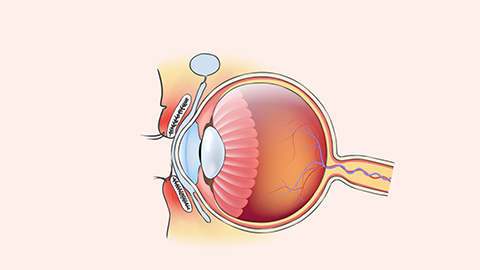
A frequent cause of filamentary keratitis is prolonged wear of contact lenses—including cosmetic or “circle” lenses—as well as extended eye patching, all of which can lead to corneal epithelial hypoxia, dryness, deformation, and desquamation. Degenerated and shed epithelial cells combine with mucus to form fine filaments directly on the corneal surface, resulting in photophobia, epiphora (excessive tearing), and a foreign-body sensation. When filaments are present, topical anesthetic drops (e.g., proparacaine) should first be instilled. The filaments can then be carefully removed using a cotton-tipped applicator or an ophthalmic foreign-body spud. Following removal, antibiotic ointment should be applied every 12–24 hours. Additionally, preservative-free artificial tears formulated to protect and support corneal epithelial health should be administered daily.

In daily life, patients should practice good visual hygiene—ensuring adequate rest for the eyes, maintaining sufficient sleep, and minimizing prolonged use of electronic devices such as smartphones and computers. We hope this information proves helpful.





