


Is keratitis considered an ocular fundus disease?
Nov 19, 2025
Source: Cainiu Health

Dr. Wang Lei
Introduction
Keratitis is not a fundus disease; the two conditions differ fundamentally in terms of affected anatomical sites and must be clearly distinguished for targeted management. In daily life, one should maintain good eye hygiene, avoid touching the eyes with dirty hands, and prevent foreign bodies from entering the eye and causing injury. When engaging in outdoor activities, wearing protective eyewear can help reduce irritation from ultraviolet radiation and windblown sand.
Keratitis is not a fundus disease; the two differ fundamentally in terms of affected anatomical sites, and should be clearly distinguished for targeted management. Detailed analysis is as follows:
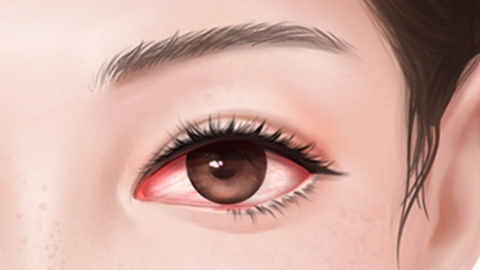
The eye's structure can be divided into anterior and posterior segments. Fundus diseases specifically refer to disorders affecting the posterior segment, including the retina, optic nerve, macula, and related structures. In contrast, the cornea is a transparent refractive tissue located at the front of the eyeball and forms the outermost layer. Keratitis is an inflammatory condition of the corneal tissue, occurring in the anterior segment of the eye—distinctly different from the anatomical region involved in fundus diseases. Keratitis is commonly caused by bacterial or viral infections, trauma, or irritation from foreign bodies, and typically presents with symptoms such as eye pain, photophobia, and excessive tearing.
Misdiagnosing keratitis as a fundus disease may lead to incorrect treatment strategies and delay proper care. Fundus diseases often manifest as sudden vision loss, visual distortion, or floating shadows in the visual field—symptoms clearly different from the localized irritation seen in keratitis.
In daily life, maintaining good eye hygiene is essential. Avoid touching the eyes with dirty hands and prevent foreign objects from entering the eye to reduce injury risk. Wearing protective eyewear during outdoor activities can help minimize irritation from ultraviolet radiation and windblown debris, thereby lowering the risk of developing keratitis and other eye conditions.




