


How long does keratitis or conjunctivitis take to heal?
Jun 29, 2022
Source: Cainiu Health

Dr. Chen You
Introduction
Keratitis and conjunctivitis typically resolve within 1 to 2 weeks. In cases of keratoconjunctivitis caused by the common cold, most patients improve within 1 to 2 weeks, though treatment must be conducted under a physician’s guidance. The treatment or recovery period for simple keratitis may be longer—particularly for viral keratitis, which generally resolves within 2 weeks with prompt and appropriate therapy. However, if keratitis is severe…
The eyes require careful attention and care. If keratoconjunctivitis occurs, prompt and active treatment is essential for recovery. Patients should receive treatment tailored to their specific symptoms. This is a curable condition. So, how long does it take to recover from keratoconjunctivitis?
How Long Does Keratoconjunctivitis Take to Resolve?
Keratitis and conjunctivitis typically resolve within 1–2 weeks. In cases of keratoconjunctivitis caused by the common cold, most patients improve within 1–2 weeks—but treatment must be conducted under medical supervision. The treatment or improvement period for simple keratitis may be longer; for example, viral keratitis often resolves within two weeks with appropriate, active treatment. However, in severe cases of keratitis—especially when the underlying cause cannot be accurately identified or appropriately treated—the recovery process may be significantly delayed, often requiring 1–2 months of treatment. This is particularly true for immune-mediated keratitis: if systemic immune dysfunction remains uncontrolled, ocular lesions tend to persist, resulting in prolonged treatment duration.
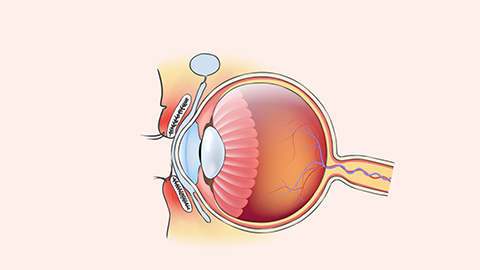
The causes of keratoconjunctivitis include both infectious and non-infectious factors. Infectious causes primarily involve bacterial, fungal, and viral infections. Additionally, infections by amoebae and other protozoa can also trigger keratitis and conjunctivitis. Non-infectious inflammatory triggers include systemic autoimmune disorders such as rheumatoid arthritis and vasculitis, as well as local ocular conditions like blepharitis and dry eye syndrome.
In daily life, maintain a regular, balanced diet—avoid spicy, irritating foods and overeating, and refrain from staying up late. We hope this information is helpful to you.






