


How Are Myopia and Astigmatism Treated?
Jun 29, 2022
Source: Cainiu Health

Dr. Chen You
Introduction
Astigmatism and myopia can be treated with optical correction. For mild cases, corrective eyeglasses are sufficient. For high refractive errors, contact lenses are recommended. In severe cases, surgical intervention should be considered. Additional management strategies for astigmatism and myopia include developing healthy eye habits and maintaining appropriate ocular hygiene.
Astigmatism and myopia are common manifestations of refractive errors. Mild astigmatism and myopia have minimal impact on visual acuity; however, without proper correction and management, the condition may progressively worsen—developing into moderate or high astigmatism and myopia—which can not only impair vision but also adversely affect daily life and work performance. So, how are myopia and astigmatism treated?
How Are Myopia and Astigmatism Treated?
Optical correction is the primary treatment for both astigmatism and myopia. For mild cases, corrective eyeglasses (spectacles) are typically sufficient. In cases of higher refractive error, contact lenses—particularly rigid gas-permeable or toric soft contact lenses—may be required. When the condition is severe, surgical intervention (e.g., LASIK, SMILE, or other refractive surgeries) may be considered. Additional supportive measures include cultivating healthy visual habits and maintaining appropriate ocular hygiene. Individuals with mild-to-moderate astigmatism and myopia may achieve adequate correction with standard spectacles.
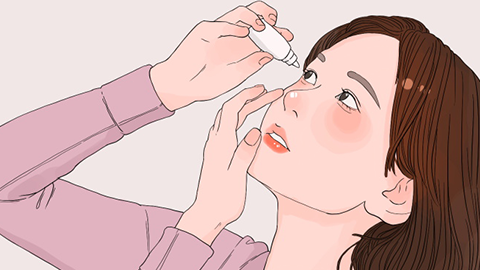
Because each patient’s condition varies—including the type and severity of astigmatism and myopia—a comprehensive refraction examination is essential prior to selecting spectacles. This ensures accurate diagnosis and facilitates optimal lens selection for maximum therapeutic benefit. When astigmatism and myopia are pronounced, spectacle correction may yield suboptimal visual outcomes. In such instances, contact lenses become a more suitable alternative. Contact lenses rest directly on the tear film and integrate physiologically with the eye, thereby effectively correcting refractive errors and improving both astigmatism and myopia.
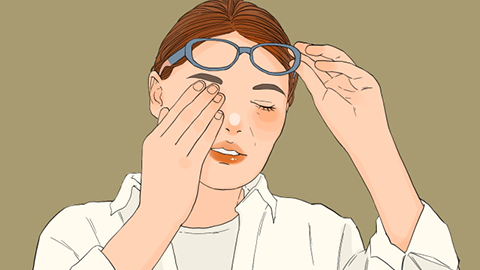
Patients are advised to correct unhealthy visual habits, as this helps significantly reduce eye strain and alleviate retinal stress—contributing meaningfully to symptom improvement. We hope this information proves helpful to you.




