


How is herpes simplex keratitis treated?
Jun 29, 2022
Source: Cainiu Health

Dr. Chen You
Introduction
Herpes simplex viral keratitis can be treated with medications or surgery. Generally, viral keratitis is initially managed medically, either topically or systemically. In addition to antiviral agents, anti-inflammatory drugs may also be used. Since the immune response triggered by the virus is a major contributor to keratitis, anti-inflammatory therapy is often administered alongside antiviral treatment.
Among various ophthalmic diseases, keratitis is a severe and common condition. Many individuals infected with pathogenic microorganisms develop eye pain and a burning sensation; corneal ulcers may also occur as a complication. Therefore, preventive measures are essential to reduce disease incidence during outbreaks of multiple illnesses. So, how is herpetic keratitis treated?
How Is Herpetic Keratitis Treated?
Herpetic keratitis can be managed through pharmacological therapy and surgical intervention. Typically, viral keratitis is initially treated with medications—either topically or systemically. In addition to antiviral agents, anti-inflammatory drugs may also be administered. Since immune-mediated responses triggered by the virus constitute a major underlying cause of keratitis, adjunctive therapies aimed at mitigating inflammation are often incorporated alongside antiviral treatment. Surgical management becomes necessary when recurrent episodes of herpetic keratitis lead to complete corneal opacification (leukoma). In such cases, corneal transplantation is required.

Keratitis is an inflammatory response resulting from compromised corneal defense mechanisms, invasion by external pathogens, or systemic disease affecting the cornea. It is a common clinical ophthalmic disorder; infectious keratitis, in particular, ranks among the leading causes of global blindness. Based on etiology, keratitis can be classified into infectious and non-infectious types. Exposure keratitis occurs when the cornea is excessively exposed to air, leading to desiccation, epithelial sloughing, and secondary inflammation. Filamentary keratitis is characterized by the presence of abnormal, thread-like filaments within the corneal epithelium.
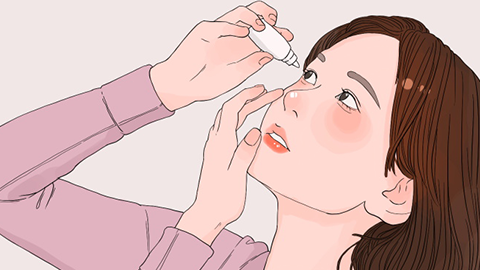
Patients are advised to avoid rubbing their eyes with unwashed hands and to refrain from excessive visual strain. Any ocular discomfort should prompt prompt medical evaluation. We hope this information proves helpful.





