


Which system does keratitis belong to?
Jun 29, 2022
Source: Cainiu Health

Dr. Chen You
Introduction
Keratitis is an ophthalmic condition and a common eye disease. Generally, based on etiology, keratitis can be classified into infectious keratitis, endogenous keratitis, and keratitis caused by local spread. Infectious keratitis is the most common clinical form; depending on the causative microorganism, it can be further subdivided into bacterial keratitis, viral keratitis, and fungal keratitis.
Keratitis refers to inflammation of the cornea, primarily presenting with redness of the eye, photophobia, excessive tearing, and decreased vision. So, which medical system does keratitis belong to?
Which medical system does keratitis belong to?
Keratitis falls under ophthalmology and is a common ocular disease encountered in clinical practice. Generally, based on etiology, keratitis can be classified into infectious keratitis, endogenous keratitis, and keratitis caused by local spread. Infectious keratitis is the most frequently encountered type clinically; depending on the causative microorganism, it may be further categorized as bacterial, viral, or fungal keratitis. Common symptoms in patients with keratitis include ocular pain, photophobia, tearing, and varying degrees of visual impairment.
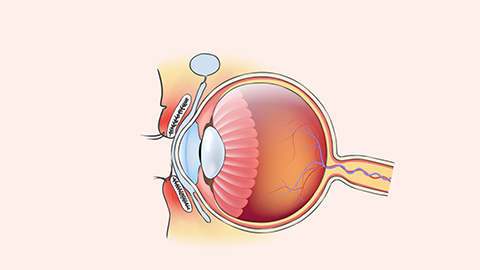
Once diagnosed with keratitis, patients should undergo a thorough clinical evaluation to identify the underlying cause. Treatment is primarily guided by the specific etiology and is usually administered locally under a physician’s supervision; systemic therapy may be required when necessary. The goal is to minimize corneal scarring. Patients experiencing symptoms suggestive of keratitis should seek prompt, targeted treatment at an ophthalmology clinic.
Consume plenty of vegetables and fruits rich in vitamins and dietary fiber. Include high-calorie, high-protein foods such as legumes, soy products, lean meats, and eggs to support corneal healing. Avoid smoking and alcohol consumption, and refrain from eating fried, spicy, greasy, or high-sugar foods. We hope this information proves helpful to you.





