


Is astigmatism in the eyes serious?
Jun 29, 2022
Source: Cainiu Health

Dr. Chen You
Introduction
The severity of astigmatism depends on its type and degree. Irregular astigmatism can cause significant visual impairment and is difficult to detect and correct. In contrast, regular astigmatism of up to 100 diopters is considered mild and not particularly severe; however, astigmatism exceeding 100 diopters can substantially impair the patient’s vision.
Many people have astigmatism, which can severely impair normal vision. When viewing objects, images often appear blurry, and double shadows may even occur—causing significant difficulties in daily learning and work. To rapidly alleviate these symptoms, it is essential to first understand the appropriate treatment methods. But just how severe is astigmatism?
How Severe Is Astigmatism?
The severity of astigmatism depends on its type and degree. Irregular astigmatism—often caused by corneal scarring or other abnormalities—can lead to substantial vision loss and is difficult to detect and correct. In contrast, regular astigmatism under 100 diopters (D) is considered mild and generally not serious. Astigmatism exceeding 100 D significantly impairs visual acuity; high astigmatism over 300 D not only compromises vision but also commonly causes visual fatigue, eye swelling, dizziness, and other pronounced symptoms.
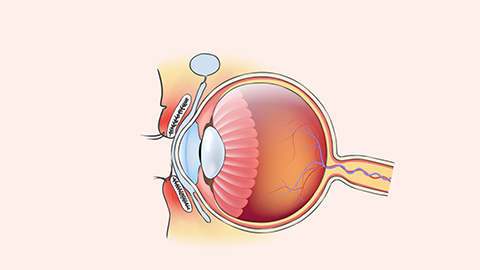
Astigmatism is a type of refractive error, and its clinical significance hinges on its magnitude. Mild astigmatism—typically under 100 D—usually does not affect visual acuity or cause eye strain; thus, it is not considered clinically significant and generally requires neither treatment nor corrective lenses. However, higher degrees of astigmatism that result in reduced visual acuity may impair both distance and near vision.
When diagnosed with astigmatism, proper eye care is crucial. Refractive correction should be initiated promptly to prevent rapid progression of the condition. We hope this information proves helpful to you.






