


Will the degree of astigmatism decrease after pupil dilation?
Jun 29, 2022
Source: Cainiu Health

Dr. Chen You
Introduction
The degree of refractive error reduction following cycloplegia varies among individuals, and not all patients experience a reduction in refractive error. Cycloplegic refraction is an excellent method because it effectively relaxes the ciliary muscle—particularly important in children and adolescents—allowing for accurate refraction under relaxed and natural conditions. After cycloplegia, there is often a difference between the pre-cycloplegic and post-cycloplegic refractive measurements.
When discussing hyperopia (farsightedness) and myopia (nearsightedness), most people have a basic understanding. However, when it comes to refractive errors—particularly astigmatism—many remain unclear. In fact, refractive errors encompass astigmatism, myopia, and hyperopia, all of which require timely intervention. Cycloplegic refraction (pupil dilation for accurate measurement) is one such treatment method, and numerous precautions must be observed during the process. So, does astigmatism decrease after cycloplegia?
Does astigmatism decrease after cycloplegia?
The degree of change in refractive error following cycloplegia varies among individuals; not all patients experience a reduction in refractive power. Cycloplegic refraction is an excellent method for objective refraction because it effectively relaxes the ciliary muscle—especially important in children and adolescents—allowing for more accurate measurements under relaxed, natural conditions. Post-cycloplegic refraction often reveals discrepancies compared with pre-cycloplegic measurements, particularly in children who exhibit excessive accommodative tone.
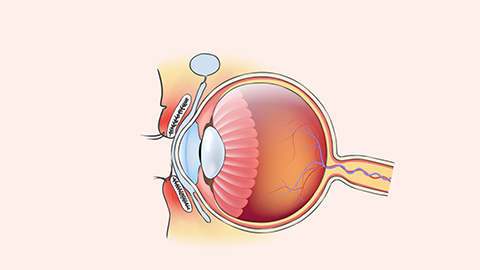
If visual impairment stems from nutritional deficiencies, concurrent nutritional supplementation during cycloplegic treatment is essential—for example, consuming a diet rich in vitamins and high-quality protein. Adequate intake of zinc and calcium is also recommended to accelerate visual recovery. After cycloplegic treatment, performing eye exercises during rest periods can help alleviate ocular fatigue. This approach is especially beneficial for patients with pseudomyopia: if fatigue occurs during study, immediate rest with eyes closed is advised to promote faster recovery.

In daily life, optimal outcomes from cycloplegic treatment depend on combining adequate nutritional support with sufficient rest. We hope this explanation proves helpful.




