


Can a steam eye mask help with keratitis?
Jun 29, 2022
Source: Cainiu Health

Dr. Chen You
Introduction
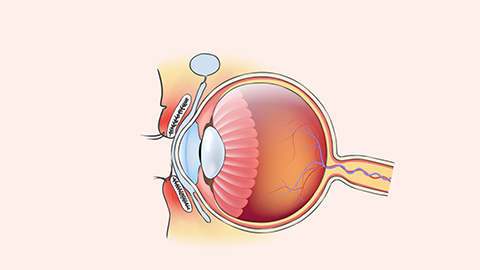
Steam eye masks can provide some relief for keratitis. The cornea, located at the front of the eye, is avascular (lacks new blood vessels). Once infected with bacteria, the cornea often develops distinct ulcerative lesions that typically do not heal spontaneously. Keratitis can be treated through antimicrobial therapy, warm compresses, and other modalities; however, antimicrobial therapy—primarily using antibiotics—is the most commonly employed treatment approach.
Keratitis is a common ophthalmic condition that requires timely prevention. Once conjunctivitis (commonly known as “pink eye”) occurs, it may cause ocular discomfort and even infection. So, can warm compress eye masks help with keratitis?
Can warm compress eye masks help with keratitis?
Warm compress eye masks can offer some benefit in managing keratitis. The cornea—the transparent front part of the eye—lacks blood vessels. When bacteria infect the cornea, distinct ulcerative lesions often develop, which typically do not heal spontaneously. Keratitis can be treated through antimicrobial therapy, warm compress therapy, and other modalities. Antimicrobial therapy remains the most commonly used treatment, primarily involving topical or systemic antibiotics tailored to the causative bacterial strain and disease severity. Warm compress therapy is also an effective adjunctive treatment; its mechanism involves promoting vasodilation, thereby enhancing local ocular tissue resistance and immune function.
In addition, surgical intervention may be considered for patients with severe bacterial keratitis unresponsive to conventional treatments. Surgery is also indicated when the disease progresses rapidly—such as in cases of corneal perforation or extrusion of intraocular contents. Furthermore, pharmacotherapy should be individualized according to the underlying etiology and clinical manifestations; commonly used medications include nonsteroidal anti-inflammatory drugs (NSAIDs) and collagenase inhibitors.
In daily life, maintain a regular, balanced diet—avoid spicy, irritating, or overly rich foods, and refrain from binge eating or staying up late. We hope this information proves helpful.





