Is hyperopia the same as astigmatism?
Jun 29, 2022
Source: Cainiu Health

Dr. Chen You
Introduction
Astigmatism is not hyperopia. Astigmatism and hyperopia are two distinct types of refractive errors, differing in both pathological features and clinical manifestations. From a pathological perspective, astigmatism refers to variations in refractive power along different meridians—caused by various factors—resulting in the inability to focus light to a single point; instead, light forms a small, blurred spot (diffuse circle), leading to indistinct retinal imaging. In contrast, hyperopia occurs when refracted light fails to focus directly on the retina.
Hyperopic astigmatism is closely associated with many unhealthy lifestyle habits. In particular, with the rapid advancement of science and technology, hyperopic astigmatism has significantly impacted daily life. Therefore, it is essential to learn how to use our eyes scientifically in everyday life. When hyperopic astigmatism occurs, timely treatment is also necessary. So, are hyperopia and astigmatism the same?
Are hyperopia and astigmatism the same?
Astigmatism is not the same as hyperopia. They are two distinct types of refractive errors, differing in both pathological features and clinical symptoms. From a pathological perspective, astigmatism results from variations in refractive power across different meridians—caused by various factors—leading to an inability to focus light into a single point; instead, light forms a small, blurred spot (diffuse patch), resulting in indistinct retinal imaging. Hyperopia, by contrast, occurs when light rays, after refraction, fail to focus on the retina and instead converge behind it. Clinically, patients with astigmatism typically experience blurred vision and are prone to visual fatigue. In contrast, individuals with hyperopia often exhibit no obvious symptoms early on; however, in advanced stages, both near and distance vision may become unclear.
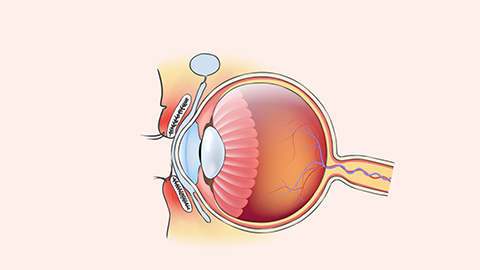
Astigmatism arises due to uneven development of corneal curvature or underlying retinal disease, preventing incoming light from forming a clear, focused image on the retina. Hyperopia, on the other hand, is a condition caused by delayed axial elongation of the eye, congenital genetic disorders, or anatomical abnormalities such as a small crystalline lens or a small cornea. Generalized astigmatism impairs both near and distance vision and reduces overall visual quality. In mild hyperopia, visual acuity and function are usually unaffected; however, high-degree hyperopia may lead to amblyopia. Astigmatism requires prompt correction using spectacles or contact lenses. For hyperopia, comprehensive visual function screening and optical coherence tomography (OCT) of the fundus are recommended.

Patients are advised—when clinically indicated—to undergo combined fine sensory stimulation training and multispectral light irradiation therapy to promote healthy axial elongation of the eye and prevent amblyopia. We hope this information proves helpful to you.