


How is filamentary keratitis described?
Jun 29, 2022
Source: Cainiu Health

Dr. Chen You
Introduction
Filamentary keratitis refers to a condition characterized by filament-like strands on the corneal surface, resulting from partial desquamation of the corneal epithelium. One end of the desquamated epithelial strand remains adherent to the corneal surface, while the other end is free-floating. Etiologies of filamentary keratitis include abnormal corneal epithelial cell proliferation, defective adhesion between the corneal basal epithelium and Bowman’s membrane, dry eye syndrome, and viral infections. It may also occur in association with various types of keratitis and conjunctivitis.
Keratitis is a common ophthalmic condition encountered in clinical practice. It is primarily caused by bacterial or viral infection of the cornea. Keratitis can render the normally transparent cornea opaque and white, thereby obstructing light entry into the eye. Patients typically present with blurred vision; in severe cases, it may lead to blindness. So, how is filamentary keratitis described?
How is filamentary keratitis described?
Filamentary keratitis refers to a condition characterized by curled, thread-like filaments resulting from partial detachment of the corneal epithelium. One end of the detached epithelial filament remains adherent to the corneal surface, while the other end remains free-floating. Etiological factors associated with filamentary keratitis include abnormal corneal epithelial cell proliferation, defective adhesion between the corneal basement membrane and Bowman’s layer, dry eye syndrome, and viral infections. It may also occur secondary to various types of keratitis and conjunctivitis. Additionally, filamentary keratitis can be induced by corneal abrasions, contact lens wear, or ocular bandages used after intraocular surgery. Primary treatment involves mechanical removal (debridement) of the filamentous epithelium, followed by topical application of antibiotic ointment and eye drops to prevent secondary infection.
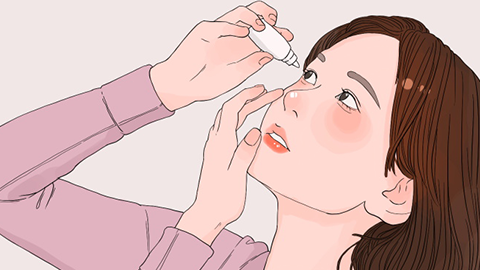
Treatment aims primarily to nourish the cornea, promote epithelial healing, and inhibit stromal degradation. Proactive prevention of keratitis triggers—such as plant-induced corneal scratches or traumatic corneal injuries—is essential. Symptomatic management focuses on pain relief, improvement of sleep quality, removal of foreign bodies or necrotic tissue from the corneal surface, and prevention of posterior synechiae. Etiology-directed therapy constitutes the most critical therapeutic approach; antimicrobial, antifungal, or antiviral treatments are selected based on clinical presentation and laboratory findings.

Patients are advised to seek care at an ophthalmology hospital, where physicians will perform debridement of the corneal filaments under topical anesthesia. We hope this response has been helpful to you.





