


What dietary considerations should be taken for hemorrhoids?
Jul 03, 2022
Source: Cainiu Health

Dr. Cheng Yicheng
Introduction
Diet is extremely important for patients with hemorrhoids. Hemorrhoids primarily result from unhealthy lifestyle habits, among which poor dietary habits are a significant contributing factor. Patients with hemorrhoids should minimize consumption of spicy and irritating foods and limit alcohol intake, as both can easily generate damp-heat in the intestines; downward accumulation of damp-heat may exacerbate hemorrhoidal symptoms.
In fact, hemorrhoids affect a large number of people. The primary cause is often a lack of attention to daily lifestyle habits and failure to strictly regulate one’s diet—factors that can predispose individuals to developing this condition. Patients with hemorrhoids frequently experience restlessness while sitting or standing due to anal pain, and nighttime sleep disturbances are common; thus, appropriate attention and management are essential. So, what dietary considerations should patients with hemorrhoids keep in mind?
Dietary Considerations for Hemorrhoids
Diet plays a crucial role for most hemorrhoid patients. Hemorrhoids primarily arise from unhealthy lifestyle habits, among which poor dietary practices constitute a significant contributing factor. If you have hemorrhoids, it is advisable to minimize consumption of spicy and stimulating foods and to limit or avoid alcoholic beverages. Both spicy foods and alcohol readily generate internal “damp-heat” within the intestines; downward accumulation of damp-heat can exacerbate hemorrhoidal symptoms. Moreover, capsaicin—the active compound in chili peppers—is incompletely digested in the gastrointestinal tract. Consequently, residual capsaicin may be present in stool, irritating the perianal skin and mucosa during defecation, causing a burning sensation and worsening hemorrhoidal inflammation. Patients should routinely consume ample vegetables and fruits, maintain a light and balanced diet, and ensure regular, soft bowel movements. Additionally, time spent squatting on the toilet should be kept brief, as prolonged straining increases pressure on the anal region and may aggravate hemorrhoids.
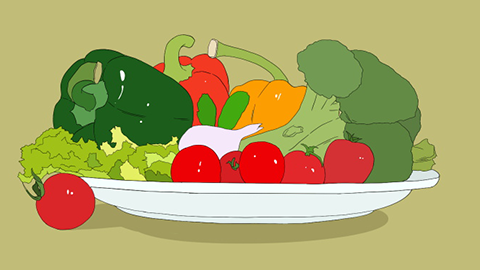
Patients with hemorrhoids should increase their intake of foods rich in vitamins and dietary fiber—such as fruits and leafy green vegetables. Foods that promote healthy bowel function—including yogurt, honey, dragon fruit, and bananas—may be consumed in moderation. High-quality, low-fat, low-cholesterol protein sources—like fish and shrimp—are also beneficial. Furthermore, foods rich in unsaturated fatty acids—such as walnuts, peanuts, and sesame seeds—can be included regularly in the diet. Conversely, patients should strictly avoid spicy foods—including chili peppers, spicy snack strips, and hotpot—and refrain from consuming alcoholic beverages.

It is recommended that patients adopt a light, bland diet, completely avoid spicy and irritating foods, maintain regular sleep patterns (avoiding late-night activity), and cultivate overall healthy lifestyle habits. We hope this information proves helpful to you.






