


Can you eat cherries after receiving the measles, mumps, and rubella (MMR) vaccine?
Dec 12, 2025
Source: Cainiu Health

Dr. Li Feng
Introduction
It is safe to eat cherries after receiving the MMR vaccine. Cherries are nutritious, rich in vitamins, minerals, and dietary fiber. Moderate consumption will not affect the vaccine's efficacy or increase the risk of adverse reactions. Cherries are considered mild in nature and are not spicy, irritating, or high-risk allergenic foods. However, if severe symptoms such as rash, vomiting, or difficulty breathing occur after eating cherries, seek medical attention immediately.
It is safe to eat cherries after receiving the MMR (measles, mumps, and rubella) vaccine. Cherries are nutritious, rich in vitamins, minerals, and dietary fiber. Moderate consumption will not affect vaccine efficacy or increase the risk of adverse reactions. However, if severe symptoms such as rash, vomiting, or difficulty breathing occur after eating cherries, seek medical attention immediately.
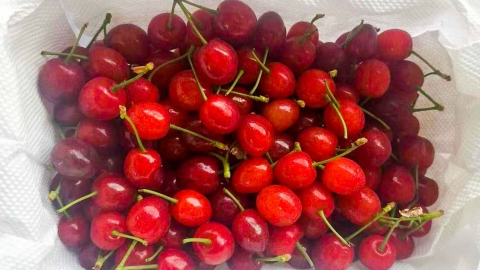
Cherries have a mild nature and are not considered spicy, irritating, or high-risk allergenic foods. Eating them in moderation can help nourish the body and support recovery. However, intake should be controlled, as excessive consumption may cause gastrointestinal discomfort. Some individuals may experience mild digestive side effects after vaccination, and overeating cherries could worsen these symptoms.
Individuals allergic to cherries must avoid them. Those with allergic tendencies should proceed with caution—when trying cherries for the first time, consume a small amount and monitor for any signs of allergy. Cherries should be thoroughly washed before consumption to remove pesticide residues, dirt, and other contaminants, reducing the risk of gastrointestinal issues caused by unclean food.
After vaccination, maintain a light and balanced diet. In addition to cherries, it is advisable to moderately consume other fresh fruits and vegetables, high-quality proteins, and whole grains. Avoid excessive intake of raw, cold, or greasy foods. Drink plenty of water to support metabolism, ensure adequate rest, and avoid overexertion to help the body produce antibodies more effectively.



