


What should I do about vulvar and perianal eczema?
Jul 04, 2022
Source: Cainiu Health

Dr. Cheng Yicheng
Introduction
Eczema around the anus and external genitalia accompanied by itching can be treated with a traditional Chinese herbal sitz bath containing heat-clearing, dampness-resolving, astringent, and antipruritic herbs. Commonly used herbs include Phellodendri Cortex (Huang Bai), Paeoniae Radix Rubra (Chi Shao), Atractylodis Macrocephalae Rhizoma (Bai Zhu), Stemona Root (Bai Bu), Lithospermi Radix (Zi Cao), Sophorae Flavescentis Radix (Ku Shen), Alumen (Ming Fan), Dictamni Cortex (Jing Jie Pi), Rehmanniae Radix (Di Huang), and Saposhnikoviae Radix (Fang Feng). Additionally, the water temperature for the sitz bath should not be too hot—lukewarm water is sufficient. Maintain a light diet in daily life and avoid spicy foods.
In real life, unpleasant symptoms such as perianal eczema cause significant psychological distress to patients—especially when pruritus (itching) and other uncomfortable symptoms occur. Patients often feel helpless and dare not scratch, which can be extremely embarrassing. So, what should one do about vulvar and perianal eczema?
What to Do for Vulvar and Perianal Eczema
For itching associated with vulvar and perianal eczema, traditional Chinese herbal medicines with heat-clearing, dampness-resolving, astringent, and antipruritic properties may be used for fumigation and washing of the perianal and vulvar areas. Commonly used herbs include Phellodendri Chinensis Cortex (Huang Bai), Paeoniae Radix Rubra (Chi Shao), Atractylodis Macrocephalae Rhizoma (Bai Zhu), Stemona Root (Bai Bu), Lithospermi Radix (Zi Cao), Sophorae Flavescentis Radix (Ku Shen), Alumen (Ming Fan), Dictamni Cortex (Jing Jie Pi), Rehmanniae Radix (Di Huang), and Saposhnikoviae Radix (Fang Feng). Additionally, sitz bath water should not be too hot—lukewarm water is recommended. Patients should maintain a light diet and avoid spicy or stimulating foods. Scratching or rubbing the itchy areas must be avoided. During bathing, avoid using shower gels or soap, as these may excessively irritate the affected skin. If necessary, topical antipruritic ointments may be used under a physician’s guidance.
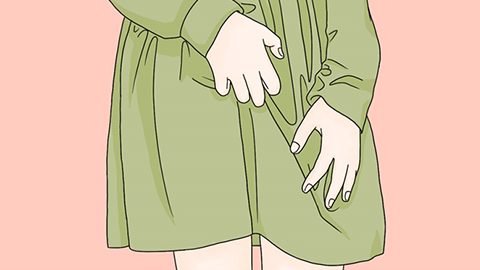
Vulvar and perianal pruritus accompanied by eczema may result either from eczema itself or from pruritus-induced secondary eczematous changes. Therefore, in such cases, alleviating pruritus is essential. Topical washes are commonly used for local cleansing and provide some degree of itch relief. Under medical supervision, compound Sophora root wash or Bai’ai wash may be appropriately prescribed.
Patients are advised to cultivate healthy lifestyle habits, including balanced nutrition and avoidance of spicy or irritating foods. We hope this information proves helpful.



