


What causes hard lumps to appear during eczema, and what should be done?
Dec 01, 2025
Source: Cainiu Health

Dr. Liu Wenmin
Introduction
In general, the appearance of firm bumps in eczema may be caused by factors such as damaged skin barrier, increased external irritation, acute inflammatory response, bacterial infection, or coexisting atopic dermatitis. It is recommended to seek medical attention promptly, identify the underlying cause, and then improve the condition through general measures, medication, or other treatments under a doctor's guidance.
In general, the appearance of firm bumps in eczema may be caused by damaged skin barrier, increased external irritation, acute inflammatory response, bacterial infection, or coexistence of eczema and atopic dermatitis. It is recommended to seek medical attention promptly, identify the underlying cause, and then improve symptoms under a doctor's guidance through general management, medication, and other approaches. Specific causes are analyzed as follows:
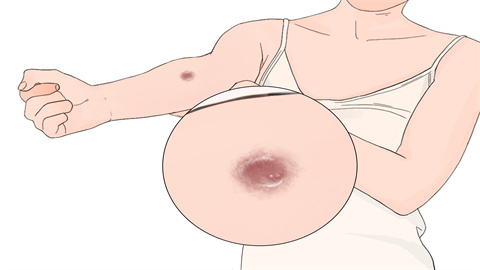
1. Damaged skin barrier: Patients with eczema often have a thin stratum corneum and weakened barrier function, making the skin susceptible to external influences that trigger local tissue hyperplasia and the formation of hard bumps. Clean the affected area daily with lukewarm water around 37°C, avoid excessive rubbing, and minimize external irritation.
2. Increased external irritation: Contact with synthetic fabrics, detergents, or humid environments can irritate the eczema-affected skin, triggering stress responses and the development of firm bumps. Immediately avoid suspected irritants, wear loose cotton clothing, use fragrance-free and preservative-free cleansers, maintain a dry and well-ventilated living environment, and prevent moisture-related complications.
3. Acute inflammatory response: During an acute flare-up of eczema, large amounts of inflammatory mediators are released, causing local vasodilation, edema, and tissue proliferation, leading to hard bumps. Follow your doctor’s instructions to apply topical medications such as desonide cream, hydrocortisone butyrate cream, or mometasone furoate cream. Gently massage the area to enhance absorption and avoid scratching.
4. Bacterial infection: Broken skin from eczema is prone to infection by Staphylococcus aureus, which may lead to purulent inflammation, resulting in hard bumps accompanied by redness, swelling, and pain. Under medical guidance, patients may use topical ointments such as mupirocin ointment or fusidic acid cream, or oral antibiotics like cefaclor capsules. Keep the affected area clean and dry, and avoid contact with water to prevent spreading the infection.
5. Eczema with atopic dermatitis: Atopic dermatitis, caused by genetic or immune abnormalities, can overlap with eczema and lead to immune dysregulation in the skin, often manifesting as hard bumps with severe itching. Use medications such as loratadine tablets, tacrolimus ointment, or pimecrolimus cream as directed by a physician. Also avoid allergenic foods such as seafood and mangoes to reduce triggers for flare-ups.
In daily life, maintain regular sleep patterns and avoid staying up late to strengthen skin resistance. Eat a light diet rich in vitamin-containing fruits and vegetables. When going outdoors, practice sun protection to prevent UV radiation from worsening inflammation. With proper skincare and standardized treatment, eczema symptoms and hard bumps can gradually improve.







