


Can a person without a uterus give birth?
Jul 14, 2022
Source: Cainiu Health

Dr. Chen Zhe
Introduction
Without a uterus, a woman cannot bear children. Although the egg may be fertilized by sperm, there is no place for the embryo to implant and develop; any resulting pregnancy would therefore be ectopic, posing a serious threat to the mother’s life and necessitating termination. Consequently, pregnancy cannot be sustained in individuals lacking a uterus. Moreover, absence of the uterus leads to amenorrhea (cessation of menstruation) and may also impair ovarian function.
After entering puberty, females may experience abnormally light menstrual flow or amenorrhea (absence of menstruation). However, if medical examinations reveal the absence of a uterus, can pregnancy still occur?
Can a woman without a uterus become pregnant?
No, a woman without a uterus cannot bear children. Although fertilization—the union of egg and sperm—may occur, there is no uterine environment to support embryo implantation and development. Any resulting pregnancy would inevitably be ectopic (occurring outside the uterus), posing a life-threatening risk to the mother and therefore requiring immediate termination. Consequently, pregnancy cannot be sustained in the absence of a uterus. Moreover, without a uterus, women will experience amenorrhea, and ovarian function may also be compromised. Some individuals may further develop symptoms such as memory impairment, frequent dreaming, and neurasthenia. Therefore, it is essential to safeguard uterine health and seek timely medical evaluation and treatment for any physical discomfort to avoid unnecessary hysterectomy.
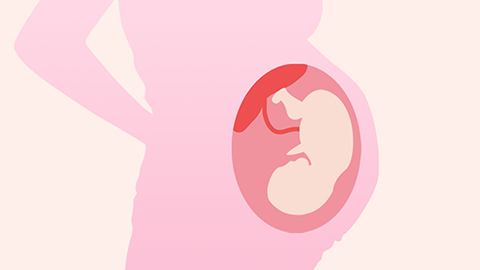
Since women without a uterus cannot conceive, maintaining overall health and undergoing regular medical check-ups are crucial. Additionally, women should maintain regular eating habits, consume ample green vegetables and fresh fruits daily to facilitate toxin elimination, ensure adequate rest, minimize late-night activity, and cultivate healthy lifestyle habits—all vital for preserving female health.
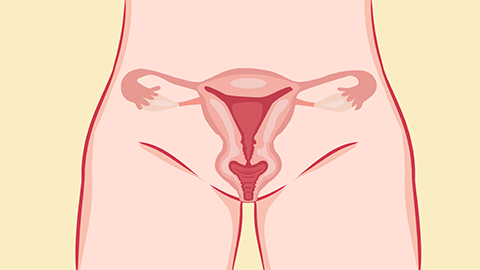
Uterine agenesis (congenital absence of the uterus) typically results from genetic mutations or certain diseases. In particular, individuals born without a uterus often also lack a vagina (Mayer-Rokitansky-Küster-Hauser syndrome). We hope this information has been helpful!




