


What Causes Uterine Enlargement?
Jul 14, 2022
Source: Cainiu Health

Dr. Lv Aiming
Introduction
Uterine hypertrophy is primarily caused by the following factors:
1. In multiparous women, hyperplasia of elastic fibrous tissue in the uterine fundus, between smooth muscle fibers, and around blood vessels commonly leads to uterine hypertrophy.
2. Primary uterine vascular disorders can also cause uterine hypertrophy.
3. Persistent elevation of estrogen due to ovarian dysfunction may stimulate the uterine basal layer, resulting in hypertrophy.
Uterine hypertrophy is a serious gynecological condition. If left untreated or inadequately managed, it may lead to female infertility and significantly compromise women’s health.
What Causes Uterine Hypertrophy?
Uterine hypertrophy is primarily caused by the following factors:
1. In multiparous women, hyperplasia of elastic fibers in the uterine fundus, between smooth muscle bundles, and around blood vessels predisposes to uterine hypertrophy.
2. Primary uterine vascular disorders can also cause uterine hypertrophy.
3. Ovarian dysfunction leading to persistently elevated estrogen levels may stimulate the basal layer of the uterus, resulting in hypertrophy.
4. Clinically, patients with dysfunctional uterine bleeding—especially those with prolonged disease duration and varying degrees of uterine enlargement—as well as those with certain gynecological inflammatory conditions (e.g., chronic adnexitis, pelvic connective tissue inflammation, and chronic myometritis) may develop collagen fiber hyperplasia in the uterine basal layer, ultimately causing uterine fibrosis.
5. Pelvic congestion can induce hyperplasia of uterine connective tissue, leading to uterine hypertrophy. Similarly, certain tumors—including uterine leiomyomas and adenomyosis—may also contribute to uterine enlargement.
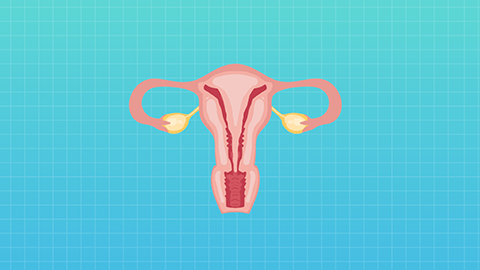
Pathogens associated with uterine hypertrophy include Mycoplasma, Chlamydia, and various bacteria. Treatment must be initiated promptly based on diagnostic test results. While isolated uterine hypertrophy typically does not impair fertility, severe cervicitis often leads to salpingo-oophoritis, tubal adhesions, and tubal obstruction—conditions that may result in infertility.
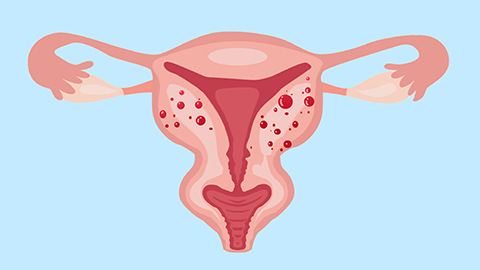
Upon diagnosis, timely intervention using evidence-based therapeutic approaches is essential. We hope this information proves helpful. Wishing you good health and happiness!



