


What Does an Enlarged Uterus Mean?
Aug 15, 2022
Source: Cainiu Health

Dr. Chen Zhe
Introduction
Uterine enlargement is clinically most commonly caused by the following factors:
First, chronic endometritis—this inflammatory stimulus leads to hypertrophy of the uterine myometrium and consequent uterine enlargement. In such cases, anti-inflammatory treatment is required clinically; however, the uterus rarely returns to its original size, and resolution of clinical symptoms is considered sufficient.
Second, uterine enlargement may result from adenomyosis, a condition caused by intrinsic (endogenous) endometriosis.
Uterine enlargement affects many women, compromising uterine health and causing significant distress to affected individuals.
Women should remain vigilant about uterine enlargement and acquire accurate knowledge regarding its treatment. But what exactly is uterine enlargement?
What Is Uterine Enlargement?
Uterine enlargement is a common clinical finding, primarily attributable to the following causes:
First, chronic endometritis (inflammation of the uterine body), which stimulates hypertrophy of the uterine myometrium, resulting in uterine enlargement. In such cases, anti-inflammatory therapy is clinically indicated; however, the uterus rarely returns to its original size—symptom resolution is considered sufficient therapeutic success.
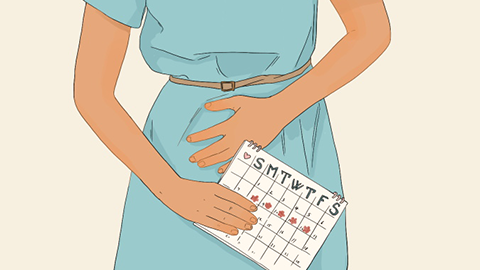
Second, adenomyosis—a condition caused by endogenous endometriosis—characterized by diffuse uterine enlargement and a full, bulky uterus. Patients often experience progressively worsening dysmenorrhea, menorrhagia, and a history of infertility.
Traditional Chinese medicine (TCM) may be employed for treatment—for example, modified Guipi Tang (Spleen-Nourishing Decoction), containing ingredients such as Astragalus membranaceus (Huang Qi), Codonopsis pilosula (Dang Shen), charred ginger (Pao Jiang Tan), Glycyrrhiza uralensis (Gan Cao), Atractylodes macrocephala (Bai Zhu), donkey-hide gelatin pearls (E Jiao Zhu), Taxillus sutchuenensis (Sang Ji Sheng), charred leaf (Ye Tan), and mugwort leaf charcoal (Ai Ye Tan).
Western pharmaceutical treatments are also available—for instance, silver nitrate solution or iodine tincture. Patients should apply the medication using a cotton swab directly onto the affected area. Following application of silver nitrate, normal saline must be applied to convert any residual silver nitrate into non-corrosive silver chloride. Treatment is typically administered twice weekly, with one course consisting of 4–6 applications. Strict attention to personal hygiene during treatment is essential.
Patients are advised to abstain from sexual intercourse when necessary. Dietary management is also important: meals should be light and easily digestible.
We hope this article proves helpful to you!



