


What Causes Uterine Enlargement?
Aug 15, 2022
Source: Cainiu Health

Dr. Chen Zhe
Introduction
In women with multiple deliveries, elastic fiber tissue within the myometrium may increase between smooth muscle fibers and around blood vessels, leading to uterine enlargement. Certain primary uterine vascular disorders can also cause uterine enlargement in women. Impaired ovarian function may result in excessive estrogen secretion in women; this condition is commonly observed in patients with dysfunctional uterine bleeding—particularly those with prolonged disease duration.
Uterine enlargement is also a relatively common chronic condition among women. When the uterus becomes particularly distended, affected women may experience dysmenorrhea during menstruation. So, what causes uterine enlargement?
Causes of Uterine Enlargement
In women who have undergone multiple deliveries, elastic fiber tissue within the myometrium may increase between smooth muscle fibers and around blood vessels, leading to uterine enlargement. Primary vascular disorders of the uterus can likewise cause uterine enlargement. Impaired ovarian function—particularly excessive estrogen secretion—commonly occurs in women with dysfunctional uterine bleeding, especially those with prolonged disease duration; such patients often exhibit varying degrees of uterine enlargement. Some women suffer chronically from conditions such as adnexitis or chronic myometritis, resulting in collagen fiber proliferation within the myometrium and subsequent uterine fibrosis. This may also trigger hyperplasia of uterine connective tissue, contributing to uterine enlargement.
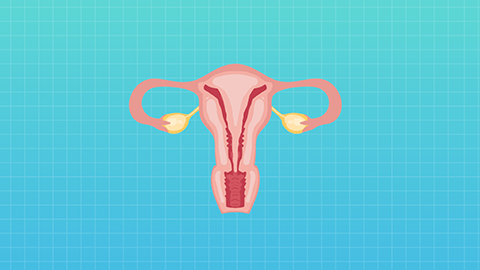
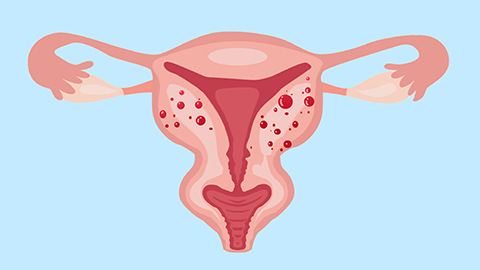
Infection with certain pathogens is another major cause of uterine enlargement. The most common causative pathogens include Mycoplasma, Chlamydia, viruses, and bacteria. Chronic inflammation of the uterine body stimulates myometrial hypertrophy, thereby causing uterine enlargement. Clinically, anti-inflammatory treatment is required in such cases; however, the uterus rarely returns to its original size—symptom resolution is generally considered sufficient for clinical management. Uterine enlargement may also result from adenomyosis, an intrinsic form of endometriosis, characterized by an enlarged, often globular uterus, progressively worsening dysmenorrhea, menorrhagia, and a history of infertility.
We hope this article has been helpful to you!



