


What Should You Eat to Relieve Menstrual Cramps?
Jul 15, 2022
Source: Cainiu Health

Dr. Lv Aiming
Introduction
Dysmenorrhea can be alleviated by consuming sweets, chocolate, and similar foods—but this approach is suitable only for mild cases. For severe dysmenorrhea, oral traditional Chinese medicine or analgesics are required. Typically, under medical guidance, nonsteroidal anti-inflammatory drugs (NSAIDs) such as ibuprofen or ketoprofen—prostaglandin synthetase inhibitors—may be taken orally to relieve symptoms. Psychological support is also important: mild discomfort during menstruation is a normal physiological response, and reducing anxiety and tension can help alleviate it.
In daily life, irregular eating habits or hormonal imbalances can lead many women to experience dysmenorrhea (painful menstruation). So, what foods or remedies can help alleviate menstrual pain?
What Can Be Eaten to Alleviate Dysmenorrhea?
Mild dysmenorrhea may be relieved by consuming sweets or chocolate. However, for severe cases, oral traditional Chinese medicine (TCM) or analgesics are typically required. During menstruation, nonsteroidal anti-inflammatory drugs (NSAIDs) such as ibuprofen or ketoprofen—prostaglandin synthetase inhibitors—may be taken orally under medical guidance to relieve pain. Dysmenorrhea is one of the most common gynecological symptoms, characterized by lower abdominal distension and pain before, during, or after menstruation, often accompanied by low back pain or other discomforts. Psychological support is also important in managing dysmenorrhea; recognizing mild discomfort during menstruation as a normal physiological response—and reducing anxiety and stress—can significantly alleviate symptoms.

Dysmenorrhea occurs when the endometrium sheds, releasing prostaglandins during this process. Prostaglandins trigger uterine contractions. Excessive prostaglandin release may cause overly strong or uncoordinated uterine contractions, resulting in abdominal pain. Dysmenorrhea may also be associated with cervical adhesions, which require further evaluation and management. Endometritis may likewise contribute to painful menstruation.
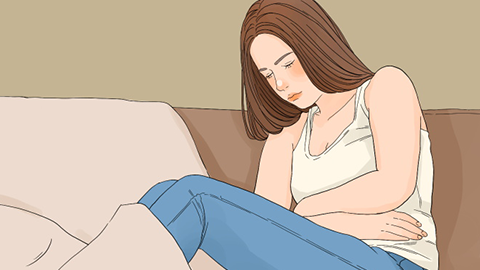
If severe dysmenorrhea occurs, prompt medical consultation is essential for appropriate diagnostic testing and treatment. During recovery, avoid spicy and greasy foods, maintain proper genital hygiene, and abstain from sexual intercourse to prevent complications and support healing. We hope this information has been helpful to you!




