


What is the gestational period?
Jul 17, 2022
Source: Cainiu Health

Dr. Chen Zhe
Introduction
Pregnancy, also known as gestation, is the period during which an embryo and fetus develop and mature within the mother’s uterus—from fertilization of the female ovum to delivery of the fetus and its associated membranes and placenta. For ease of calculation, pregnancy is conventionally dated from the first day of the woman’s last menstrual period (LMP), lasting approximately 280 days—or 40 weeks. Because the exact date of fertilization is often uncertain, the actual delivery date may differ from the estimated due date by 1–2 weeks.
In clinical practice, the gestational period refers to the duration of pregnancy. Importantly, the timing of pregnancy is closely linked to the timing of sexual intercourse and the woman’s “safe period.” If pregnancy occurs, a detailed examination at a reputable hospital can help determine the precise gestational age. So, when exactly does the gestational period begin?
When Does the Gestational Period Begin?
The gestational period—also known as pregnancy—is the entire process during which the embryo and fetus develop and mature within the mother’s uterus. It spans the time from fertilization of the female ovum to the expulsion of the fetus and its associated tissues (e.g., placenta, membranes) from the maternal body. For practical calculation purposes, pregnancy is conventionally dated from the first day of the woman’s last menstrual period (LMP), lasting approximately 280 days—or 40 weeks. Because the exact date of fertilization is often uncertain, the actual delivery date may differ from the estimated due date by up to 1–2 weeks. Clinically, pregnancies between 37 and 42 completed weeks are considered full-term.

Pregnancy onset can be determined using several methods. One approach involves detecting hormones produced by the newly formed placenta; clinically, pregnancy can be confirmed via blood or urine tests as early as 6–8 days after conception. Home urine pregnancy tests typically yield reliable results 12–15 days after conception. However, both methods only confirm pregnancy—they cannot pinpoint the exact conception date. Alternatively, pregnancy may be inferred from the cessation of menstruation, which usually occurs earlier than other early pregnancy symptoms such as nausea and vomiting (“morning sickness”).
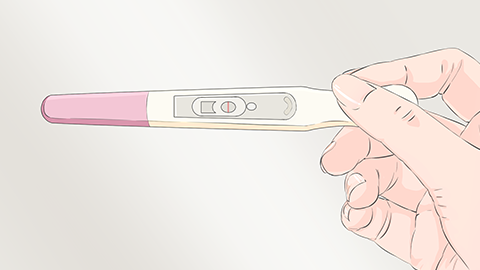
Once pregnancy is confirmed, it is essential to begin folic acid supplementation promptly, as this helps prevent neural tube defects in the developing fetus. We hope this information is helpful to you!








