


Can hypertension cause fever?
Jul 17, 2022
Source: Cainiu Health

Dr. Li Man
Introduction
Hypertension generally does not cause fever. It is a condition characterized by elevated arterial blood pressure, with clinical manifestations including dizziness, headache, fatigue, limb numbness, facial flushing, tinnitus, and hearing loss. Although hypertension may impair cerebral nerve function—leading to dizziness—it does not affect the central thermoregulatory neurons; therefore, fever does not occur. Common symptoms of hypertension include dizziness, headache, palpitations, and a sensation of a racing or pounding heart.
In clinical practice, “fever” refers to elevated body temperature, primarily categorized as low-grade or high-grade fever. It is a defensive physiological response triggered by bacterial or viral infections in individuals with compromised immunity. However, many patients with hypertension may also experience fever, though the underlying cause remains unclear. So, can hypertension itself cause fever?
Can hypertension cause fever?
Hypertension generally does not cause fever. Hypertension is a condition characterized by persistently elevated arterial blood pressure. Its common clinical manifestations include dizziness, headache, fatigue, limb numbness, facial flushing, tinnitus, and hearing loss. While hypertension may impair cerebral nerve function—leading to dizziness—it does not affect the central thermoregulatory centers in the hypothalamus; therefore, it does not induce fever.
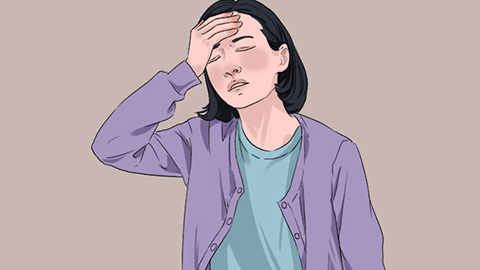
Typical symptoms of hypertension include dizziness, headache, palpitations, and tachycardia; some patients may also report neck stiffness or discomfort. Notably, certain hypertensive individuals remain entirely asymptomatic and only discover their elevated blood pressure incidentally during routine health examinations. This scenario is particularly dangerous: because they feel no symptoms, patients may underestimate the severity of their condition and delay or neglect treatment—potentially allowing hypertension to progress into serious complications over time.
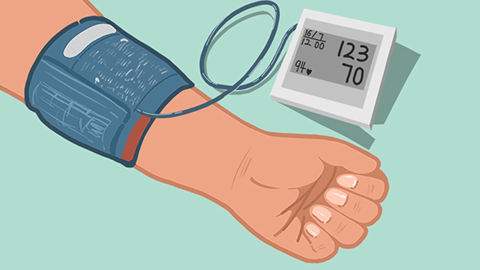
Fever typically arises in response to inflammatory processes induced by cold exposure or infection. If fever occurs, timely administration of anti-inflammatory, antipyretic, and lung-ventilating medications may help alleviate symptoms. Should symptoms persist or worsen, prompt consultation with an internal medicine physician is essential—and treatment must strictly follow medical advice. We hope this information proves helpful to you!






