


What to do about headaches before menstruation
Dec 12, 2025
Source: Cainiu Health

Dr. Zhang Lu
Introduction
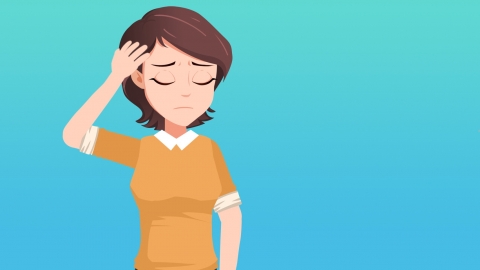
Headaches before menstruation are often associated with hormonal fluctuations, mental stress, migraines, hypertension, sinusitis, and other factors. Symptoms can be alleviated through lifestyle adjustments and medication based on specific triggers. It is important to maintain emotional stability, follow a balanced diet, and avoid stimulants such as caffeine and alcohol. If headaches occur frequently or worsen in severity, prompt medical evaluation is necessary to identify the underlying cause.
Headaches before menstruation are often associated with hormonal fluctuations, mental stress, migraines, hypertension, and sinusitis. Symptoms can be alleviated through lifestyle adjustments, medication, and other interventions based on specific causes. Detailed analysis is as follows:
1. Hormonal Fluctuations
Prior to menstruation, a sharp drop in estrogen levels affects cerebral blood vessel dilation and constriction, leading to headaches. Maintain a regular sleep schedule, avoid staying up late, consume more magnesium-rich foods such as nuts and leafy greens, and gently massage the temples.
2. Mental Stress
Accumulated stress as menstruation approaches increases sympathetic nervous system activity, causing cerebral blood vessel constriction and triggering headaches. Practice 20 minutes of deep breathing or yoga daily, listen to soothing music, and reduce workload.
3. Migraine
Dysfunction of the neurovascular system causes unilateral pulsating headaches, which can be easily triggered by hormonal changes before menstruation. Medications such as ibuprofen sustained-release capsules, zolmitriptan tablets, or naproxen sodium tablets may be taken under medical guidance.
4. Hypertension
Emotional fluctuations before menstruation may elevate blood pressure, increasing pressure on cerebral blood vessels and resulting in headaches, often accompanied by dizziness. Take medications such as amlodipine besylate tablets, valsartan capsules, or nifedipine controlled-release tablets as prescribed, and monitor blood pressure regularly.
5. Sinusitis
Inflammation of the nasal sinus mucosa leads to accumulation of secretions, which compress surrounding nerves. Symptoms may worsen during menstruation due to decreased immunity. Treatments include eucalyptus oil and pinene enteric soft capsules, cefuroxime axetil tablets, and mometasone furoate nasal spray. In severe cases, sinus surgery may be required.
In daily life, maintain emotional stability, eat a balanced diet, and avoid stimulants such as coffee and alcohol. If headaches occur frequently or increase in severity, seek timely medical evaluation to identify underlying causes. Do not self-medicate without professional advice.



