


Differences Between Spleen Yin Deficiency and Spleen Yang Deficiency
Jul 28, 2022
Source: Cainiu Health

Dr. He Haochen
Introduction
The distinction between Spleen-Yin deficiency and Spleen-Yang deficiency lies in their differing symptom profiles and corresponding treatment approaches. Spleen-Yin deficiency commonly manifests as tidal fever, night sweats, frequent urination, weight loss, and irritability. In contrast, Spleen-Yang deficiency is primarily characterized by reduced appetite, loose stools, abdominal distension, indigestion, and bodily edema. For Spleen-Yin deficiency, Ren Shen Jian Pi Wan (Ginseng Spleen-Strengthening Pills) may be used under the guidance of a qualified physician.
Many people are aware that Spleen deficiency can significantly harm the body. Spleen deficiency is broadly categorized into Spleen Yin deficiency and Spleen Yang deficiency. If either condition is identified, timely treatment is essential to prevent adverse effects on overall health. So, what are the differences between Spleen Yin deficiency and Spleen Yang deficiency?
Differences Between Spleen Yin Deficiency and Spleen Yang Deficiency
The primary distinctions between Spleen Yin deficiency and Spleen Yang deficiency lie in their symptom profiles and corresponding treatment approaches. Spleen Yin deficiency commonly manifests as tidal fever, night sweats, frequent urination, weight loss, and irritability. In contrast, Spleen Yang deficiency typically presents with reduced appetite, loose stools, abdominal distension, indigestion, and edema.
If diagnosed with Spleen Yin deficiency, patients may be prescribed herbal formulas such as Ren Shen Jian Pi Wan (Ginseng Spleen-Strengthening Pills) or Shen Ling Bai Zhu San (Ginseng-Poria-Atractylodes Powder), under the guidance of a qualified physician. For Spleen Yang deficiency, Jin Kui Shen Qi Wan (Jin Kui Kidney-Qi Pill) may be recommended by a physician for regulation and treatment.

From a TCM perspective, the distinction between Spleen Yin deficiency and Spleen Yang deficiency lies in their thermal nature—namely, cold versus heat. Individuals with Spleen Yang deficiency tend to feel cold, whereas those with Spleen Yin deficiency often experience heat sensations. Stools in Spleen Yang deficiency are typically loose and unformed, while stools in Spleen Yin deficiency may be dry and constipated. Digestive dysfunction—such as bloating, poor digestion, or discomfort—may occur in both conditions. During pharmacological treatment, patients should consume light, easily digestible foods and avoid excessive physical or mental fatigue.
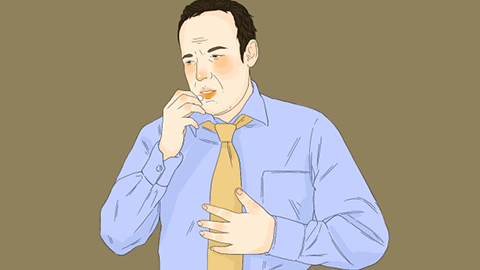
We recommend that individuals seek prompt medical evaluation upon noticing any abnormal symptoms, and undergo targeted treatment under professional medical guidance. Self-medication should be avoided to prevent disease progression. We hope this information has been helpful to you.


