


Differences Between Spleen Yang Deficiency and Spleen Yin Deficiency
Aug 03, 2022
Source: Cainiu Health

Dr. He Haochen
Introduction
The distinction between Spleen-Yin deficiency and Spleen-Yang deficiency lies in their etiologies, tongue appearances, pulse qualities, and clinical manifestations. Etiologies of Spleen-Yin deficiency include excessive physical fatigue, chronic pulmonary diseases that remain unresolved over a prolonged period, and excessive mental rumination. According to Traditional Chinese Medicine (TCM), the Spleen governs the four limbs; thus, excessive fatigue may impair both Spleen-Yin and Spleen-Yang. Prognosis varies among individuals with different constitutional types; patients with Yin deficiency and internal heat are particularly prone to developing Spleen-Yin deficiency.
There are significant differences between traditional Chinese medicine (TCM) and Western medicine in their understanding of the spleen. In TCM, digestion and absorption of food are believed to be governed by the spleen. “Spleen deficiency” typically refers to impaired spleen function, manifesting clinically as fatigue, diarrhea, and other symptoms. TCM further classifies spleen deficiency into “spleen-yang deficiency” and “spleen-yin deficiency,” which differ substantially from one another. So, what distinguishes spleen-yang deficiency from spleen-yin deficiency?
Differences Between Spleen-Yang Deficiency and Spleen-Yin Deficiency
The distinction between spleen-yin deficiency and spleen-yang deficiency lies in their etiologies, tongue appearances, pulse qualities, and clinical manifestations. Causes of spleen-yin deficiency include excessive physical exertion, chronic unresolved lung disorders, and prolonged overthinking. According to TCM theory, the spleen governs the four limbs; thus, excessive fatigue may damage both spleen-yin and spleen-yang. Prognosis varies among individuals with different constitutions: those with yin deficiency and internal heat are particularly prone to developing spleen-yin deficiency. From the perspective of the Five Elements theory, the spleen and lung share a “mother–child” relationship.
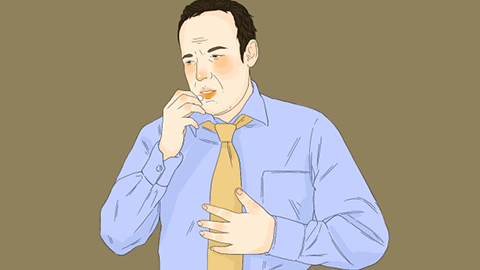
If spleen-yin deficiency remains untreated over time, it progressively damages spleen-yin, thereby establishing a pattern of spleen-yin deficiency. Excessive mental activity injures the spleen, and individuals with yin deficiency and internal heat are especially susceptible to spleen-yin deficiency. By contrast, spleen-yang deficiency is primarily caused by consuming excessive cold or raw foods and by dietary irregularities. Common symptoms of spleen-yin deficiency include poor appetite, abdominal distension, dry stools, fatigue, a red tongue with scanty coating, and a fine pulse. Typical symptoms of spleen-yang deficiency include poor appetite, abdominal distension, abdominal pain, loose stools, mild coldness in the limbs, a pale tongue with a white coating, and a slow or sluggish pulse.

Patients are advised to maintain balanced nutrition and regular eating habits, ensure adequate rest, and cultivate a positive mental outlook—all of which contribute significantly to overall health. We hope this explanation proves helpful to you.


