


What Are the Symptoms of Spleen Yang Deficiency?
Aug 09, 2022
Source: Cainiu Health

Dr. He Haochen
Introduction
Symptoms of Spleen Yang Deficiency include anemia and obesity. Women with Spleen Deficiency are particularly prone to anemia, which often leads to dizziness. Additionally, patients with Spleen Deficiency frequently experience profound fatigue and lack of energy, often giving the impression of depression; in severe cases, they may develop clinical depression.
Spleen Yang Deficiency Syndrome refers to a pattern of Spleen and Stomach deficiency. In Traditional Chinese Medicine (TCM), the Spleen and Stomach play pivotal roles in digestion and absorption; when their function is impaired, the body cannot properly transform and transport food and nutrients. Spleen Yang Deficiency may arise from dietary irregularities, excessive physical or mental strain, and other factors, leading to a range of uncomfortable symptoms. What, then, are the characteristic symptoms of Spleen Yang Deficiency?
What Are the Symptoms of Spleen Yang Deficiency?
Symptoms of Spleen Yang Deficiency include anemia and obesity. Women with Spleen deficiency are particularly prone to anemia, often experiencing dizziness—a symptom directly attributable to anemia. Additionally, patients with Spleen deficiency commonly suffer from profound fatigue and low energy levels, frequently presenting with a depressed or lethargic demeanor; in severe cases, clinical depression may develop. Impaired digestive and absorptive function in Spleen deficiency leads to abnormal accumulation of fat in the body, resulting in obesity. Obesity, in turn, predisposes individuals to fatty liver disease and cardiovascular/cerebrovascular disorders, thereby increasing overall physiological burden.

The primary etiologies of Spleen Yang Deficiency Syndrome include constitutional weakness of the Spleen and Stomach (i.e., congenital insufficiency), resulting in deficient Yang Qi of the Spleen and Stomach and impaired transportation and transformation functions. Other contributing factors include excessive consumption of raw or cold foods during the day, prolonged illness, and chronic overexertion. Key clinical manifestations include cold limbs, edema, abdominal distension, loose stools, loss of appetite, epigastric pain, and a marked preference for warm or hot foods. Treatment principles emphasize strengthening the Spleen and warming the Middle Jiao. Commonly prescribed herbal formulas include Lǐ Zhōng Wán (Regulating the Middle Pill); for more severe cases, Fù Zǐ Lǐ Zhōng Wán (Aconite Regulating the Middle Pill) may be used orally. Alternatively, Dāng Guī Ròu Cōng Róng Yáng Ròu Tāng (Danggui, Cistanche, and Mutton Decoction) may also be administered.
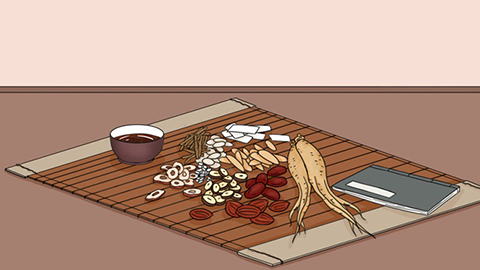
Patients are advised to follow a light, easily digestible diet and avoid raw or cold fruits as well as high-fat, high-cholesterol foods that are difficult to digest. We hope this information proves helpful to you.


