


How is coronary heart disease diagnosed?
Jul 31, 2022
Source: Cainiu Health

Dr. Li Man
Introduction
Coronary artery disease (CAD) requires blood tests and electrocardiography (ECG). Blood tests include assessments of cholesterol, triglycerides, blood glucose, and inflammatory markers. Abnormal levels of certain biomarkers—such as C-reactive protein (CRP) and homocysteine—may also represent risk factors for CAD. Patients with CAD require ECG examination. First, ECG can assess whether cardiac rhythm is normal.
The heart, located inside the body, is essential for sustaining life; any cardiac disorder can potentially lead to death, making it crucial to pay attention to various types of heart disease. So, how is coronary artery disease (CAD) diagnosed?
How Is Coronary Artery Disease Diagnosed?
Diagnosing CAD typically involves blood tests and electrocardiography (ECG). Blood tests assess levels of cholesterol, triglycerides, blood glucose, and inflammatory markers. Abnormal levels of these markers—including C-reactive protein (CRP) and homocysteine—may indicate increased risk for CAD. Patients suspected of having CAD should undergo ECG. An ECG helps determine whether heart rhythm is normal and can detect evidence of prior myocardial infarction (MI) or ongoing MI. However, an ECG alone cannot definitively diagnose CAD, nor can a normal ECG rule out CAD.
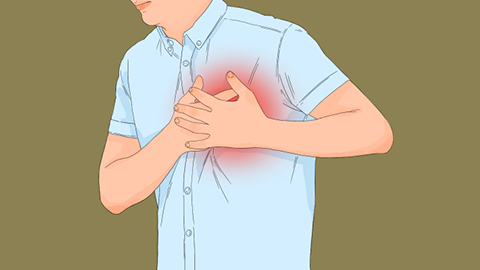
CAD primarily results from chronic pathological changes in the vascular intima, including lipid deposition, fibrosis, and calcification. These changes are closely associated with patients’ lifestyle and dietary habits, irregular daily routines, and existing cardiovascular risk factors—such as hyperlipidemia, hypertension, diabetes mellitus, and other metabolic disorders. Over time, such cumulative damage affects both the lumen and wall of the coronary arteries, leading to characteristic pathological changes of CAD.

Patients are advised to seek timely medical evaluation and treatment upon noticing symptoms suggestive of disease. We hope this information proves helpful to you.


