


How is coronary heart disease diagnosed?
Aug 24, 2022
Source: Cainiu Health

Dr. Li Man
Introduction
Coronary heart disease is typically diagnosed using methods such as electrocardiography (ECG). Obesity and hyperlipidemia are major contributing factors to coronary heart disease; aside from certain familial factors, most cases result from an unbalanced diet, excessive caloric intake, and insufficient physical activity. While diabetes itself has a genetic component, maintaining appropriate dietary habits can fundamentally reduce its incidence.
In real life, coronary heart disease (CHD) is a common and highly hazardous condition. It poses serious threats to patients’ health and causes them significant suffering. Prompt treatment is essential for this disease. So, how is CHD diagnosed?
How Is Coronary Heart Disease Diagnosed?
CHD is typically diagnosed using methods such as electrocardiography (ECG). Obesity and hyperlipidemia are major contributing factors to CHD. Aside from certain hereditary predispositions, most cases result from an unbalanced diet, excessive caloric intake, and insufficient physical activity. Although diabetes has a genetic component, adopting appropriate dietary habits can substantially reduce its incidence. Moreover, with proper treatment and strict glycemic control, diabetic patients can significantly mitigate the adverse effects on their cardiovascular system.
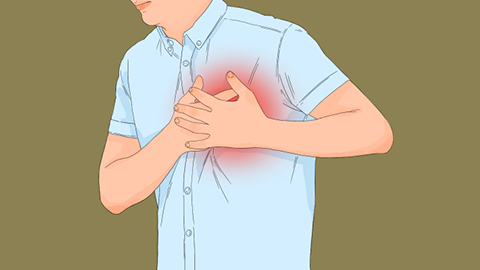
As living standards improve, the prevalence of hypertension is rising steadily—and elevated blood pressure markedly increases the risk of myocardial infarction. Therefore, controlling blood pressure is crucial for CHD prevention. In addition to antihypertensive medications, individuals should adopt a low-salt, low-fat, and low-sugar diet; increase consumption of vegetables and legumes; and engage in regular, moderate exercise to help stabilize blood pressure. Hyperlipidemia is another key contributor to CHD; thus, patients should actively manage their lipid levels by consuming foods low in fat, salt, and calcium.

In daily life, maintain disciplined eating habits—avoid spicy or irritating foods, refrain from binge eating, and eliminate late-night activities. We hope this information proves helpful to you.


