


Diagnostic Methods for Coronary Heart Disease
Aug 04, 2022
Source: Cainiu Health

Dr. Li Man
Introduction
Coronary artery disease (CAD) can be diagnosed by integrating the patient’s symptoms with relevant auxiliary examinations. Current diagnostic modalities for CAD include electrocardiography (ECG), color Doppler echocardiography, ambulatory ECG monitoring (Holter monitoring), coronary computed tomography angiography (CTA), invasive coronary angiography, and associated tests for lipid profile, blood glucose, and blood pressure. Invasive coronary angiography is the most accurate diagnostic method, followed by coronary CTA.
Today, frequent late-night work and study have exerted significant negative impacts on people’s health—reducing immune function and disrupting endocrine balance. Excessive workloads also place undue stress on the heart, with coronary artery disease (CAD) being one of the most common resulting conditions. So, what diagnostic methods are used for CAD?
Diagnostic Methods for Coronary Artery Disease
CAD is diagnosed by integrating clinical symptoms with relevant auxiliary examinations. Current diagnostic modalities include electrocardiography (ECG), color Doppler echocardiography, ambulatory ECG monitoring (Holter), coronary computed tomography angiography (CTA), and invasive coronary angiography, along with routine assessments of blood lipid profile, blood glucose, and blood pressure. The most accurate diagnostic method is invasive coronary angiography, followed closely by coronary CTA—both of which provide direct visualization of coronary arterial anatomy. In contrast, ECG and color Doppler echocardiography are indirect methods that cannot directly visualize coronary vessels; however, if performed during an episode of myocardial ischemia, ECG may reveal characteristic changes enabling an indirect diagnosis of CAD.
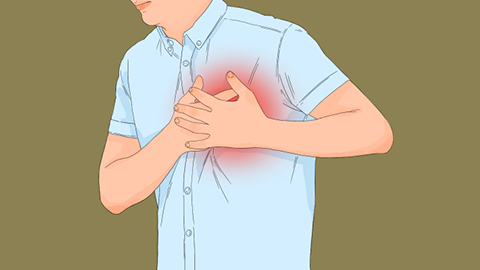
Patients with CAD should avoid smoking, engage in appropriate physical exercise tailored to their individual fitness level, avoid prolonged mental tension and excessive stress, maintain a positive mindset, adhere to regular daily routines, refrain from staying up late, and ensure adequate sleep. Diet should be regular and balanced—avoiding overeating or binge eating—and emphasize low-fat, low-sodium foods. Establishing healthy bowel habits to prevent constipation is also important. Blood pressure, lipid levels, and blood glucose must be carefully controlled; regular health check-ups are essential, as is effective management and treatment of underlying comorbidities. Additionally, patients should pay attention to ambient temperature fluctuations to help prevent CAD exacerbation.

Patients are advised to avoid smoking and alcohol consumption, consume nutrient-rich foods, and practice mindful eating—avoiding overeating or rapid consumption. We hope this information proves helpful to you.


