


Early Symptoms of Cerebral Arteriosclerosis
Aug 01, 2022
Source: Cainiu Health

Dr. Li Man
Introduction
Early symptoms of cerebral arteriosclerosis may include dizziness, balance disturbances, and ataxia. Dysphagia, coughing while drinking water, and explosive speech may also occur. Dizziness is one of the most common symptoms of hypertension. If intermittent, dizziness typically occurs upon sudden rest or standing up. If persistent, it primarily manifests as severe discomfort in the head.
As the condition progresses, cerebral ischemia may lead to softening and necrotic changes in brain tissue. In severe cases, this can be life-threatening; even if the patient survives, significant long-term sequelae are likely to persist. What, then, are the early symptoms of cerebral arteriosclerosis?
Early Symptoms of Cerebral Arteriosclerosis
Early manifestations may include dizziness, impaired balance, ataxia, dysphagia (difficulty swallowing), aspiration while drinking water, and explosive speech. Dizziness is one of the most common symptoms of hypertension. If intermittent, it typically occurs upon sudden rest or standing up. If persistent, it presents as marked discomfort in the head, significantly interfering with daily work and life. Headache is another frequent symptom of hypertension—typically a continuous, severe headache localized to the temples (bilateral frontal regions) and occiput. Patients with hypertension often exhibit irritability, heightened sensitivity to stimuli, emotional lability, difficulty falling asleep, frequent nightmares, and easy arousal from sleep. These symptoms primarily stem from neurological dysfunction secondary to impaired cerebral function. Additionally, patients may experience poor concentration, mental fatigue, and memory impairment—characterized by distractibility, difficulty retaining new information, frequent forgetfulness of recent events, and a sense of unfamiliarity with previously known facts.

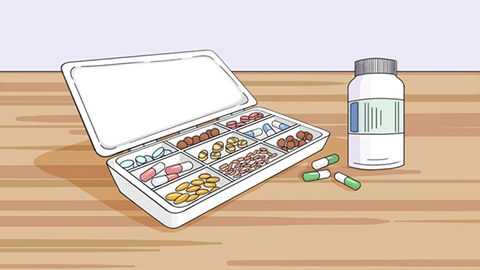
Lipid-lowering medications should also be employed. These agents reduce serum cholesterol levels, gradually decrease the formation of foam cells and macrophages within the arterial wall, and stabilize atherosclerotic plaques—thereby helping prevent cerebral arteriosclerosis. Antiplatelet agents, such as aspirin, should likewise be used to inhibit platelet aggregation and thrombus formation, thus improving and preventing progression of arteriosclerosis.
It is advisable to promptly alleviate stress from all aspects of daily life and correct unhealthy lifestyle habits. We hope this response proves helpful to you.



