


What should I do if my gums swell and hurt after a dental cleaning?
Aug 01, 2022
Source: Cainiu Health

Dr. Zhang Liwen
Introduction
Post-scaling tooth pain should be treated according to the specific clinical situation. If the pain is caused by redness and swelling of the periodontal tissues, the periodontal pockets should be thoroughly irrigated with a 1%–3% hydrogen peroxide solution to remove residual minute calculus lodged in interdental spaces. If necessary, granulation tissue or necrotic tissue should be curetted, and medications such as iodine glycerin should be applied to reduce inflammation and alleviate pain.
Teeth cleaning (dental scaling) can make teeth appear whiter; however, many people experience discomfort or toothache afterward. In such cases, individuals may feel their gums are affected and become reluctant to undergo further cleanings. So, what should be done if gum swelling and pain occur after teeth cleaning?
What to Do If Gums Swell and Hurt After Teeth Cleaning
Post-cleaning toothache should be managed according to its underlying cause. If the pain stems from redness and swelling of the periodontal tissues, the periodontal pockets should be thoroughly irrigated with a 1%–3% hydrogen peroxide solution to remove residual minute calculus trapped between teeth. If necessary, granulation tissue or necrotic tissue should be debrided, and medications such as iodine glycerin applied to reduce inflammation and alleviate pain. If the pain results from ultrasonic scaling—causing dentin hypersensitivity due to calculus removal—desensitization therapy using lasers or topical desensitizing agents may be employed; alternatively, anti-sensitivity toothpaste can be used. When spontaneous or pulsating pain occurs, root canal treatment is required.
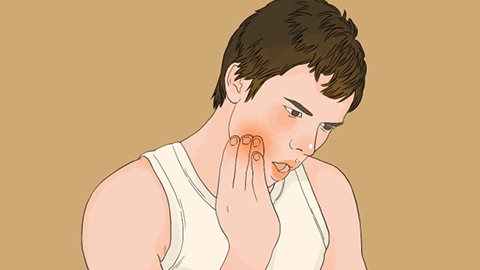
Post-cleaning toothache may indicate dentin hypersensitivity. It may also reflect poor periodontal health with significant root exposure. In such cases, teeth may become increasingly mobile and exhibit heightened sensitivity to cold or heat, pain upon biting, and even spontaneous, nocturnal, or radiating pain. Patients with severe dental plaque and calculus accumulation often experience pronounced toothache following scaling.
Once toothache develops after scaling, prompt management—tailored to the severity and nature of the pain—is recommended. We hope this information proves helpful.




