


What Is the Best Diet for Low Blood Pressure?
Aug 01, 2022
Source: Cainiu Health

Dr. Li Man
Introduction
Dietary preventive measures for patients with hypotension must be determined based on the underlying cause of the condition. Clinically, hypotension is commonly caused by pathological factors—such as anemia, reduced cardiac function, or systemic vasodilation—as well as physiological factors—such as general physical debility. If a patient’s blood pressure drops due to physiological factors like physical weakness, nutritional supplementation through daily diet is generally recommended.
We often hear in daily life that “so-and-so has hypertension and should take it seriously.” In fact, there is also the issue of hypotension—low blood pressure—which likewise warrants attention and vigilance from patients. Hypotension can be classified into two types based on its onset: acute hypotension and chronic hypotension. For individuals with hypotension, consuming certain fruits in moderation may be beneficial. So, what foods are best for managing low blood pressure?
What Foods Are Best for Hypotension?
Dietary prevention strategies for hypotension must be tailored according to its underlying cause. Clinically, hypotension commonly arises from pathological factors—including anemia, reduced cardiac function, or systemic vasodilation—as well as physiological factors such as general physical weakness. If blood pressure drops due to physiological causes like frailty, nutritional supplementation through daily diet and appropriate physical exercise to strengthen overall constitution are generally recommended; specific pharmacological treatment is usually unnecessary. If hypotension results from anemia, treatment should target the root cause of the anemia and include appropriate hematinic therapy. When hypotension stems from reduced circulating blood volume—such as due to systemic vasodilation—adequate intake of water and salt is advised to restore circulating volume and stabilize blood pressure, alongside medical management of the underlying condition under a physician’s guidance.

Individuals with hypotension may moderately increase their dietary salt intake, as sodium helps elevate blood pressure. Additionally, moderate consumption of red wine or beer may also contribute to raising blood pressure, thereby supporting recovery. However, excessive salt intake and heavy alcohol consumption must be avoided—chronic heavy drinking harms health, whereas limited, moderate alcohol intake may offer some benefits. Hypotension can impair cerebral perfusion, leading to symptoms such as dizziness, lightheadedness, excessive sleepiness, and fatigue. When coronary perfusion is compromised, patients may experience palpitations, shortness of breath, and chest tightness. Some cases of hypotension are hereditary and typically require no special treatment if asymptomatic.
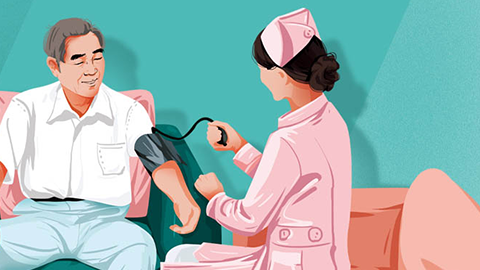
Patients are advised to maintain healthy lifestyle habits, adhere to balanced dietary practices, avoid spicy and irritating foods, and engage in appropriate physical activity. We hope this information proves helpful.


