


What Should You Eat for Low Blood Pressure?
Aug 24, 2022
Source: Cainiu Health

Dr. Li Man
Introduction
Patients with hypotension should improve their nutrition by consuming more foods that warm and strengthen the spleen and stomach. Moderately increasing salt intake can help raise blood pressure. Adequate hydration and regular physical activity can also increase blood volume. Consuming more jujubes (Chinese dates), peanuts, goji berries, or collagen-rich gelatin (e.g., donkey-hide gelatin) helps tonify Qi and nourish blood, thereby aiding in the improvement of hypotension. In daily life, individuals with hypotension should moderately increase their salt intake.
Low blood pressure (hypotension) is a common condition. Although it is generally less harmful than hypertension, it can still interfere with daily life and contribute to the development of certain health issues. Therefore, individuals with low blood pressure should be aware of basic health considerations—especially dietary restrictions. So, what foods are beneficial for people with low blood pressure?
What Foods Are Beneficial for Low Blood Pressure?
Individuals with low blood pressure should focus on enhancing their overall nutrition and consuming foods that warm and tonify the spleen and stomach. Moderately increasing salt intake can help raise blood pressure; drinking adequate water and engaging in regular physical activity can also expand blood volume. Foods such as jujubes (Chinese dates), peanuts, goji berries, and donkey-hide gelatin (ejiao) are traditionally used to invigorate qi and nourish the blood—both of which may help improve hypotension. In daily life, patients should increase their salt consumption and incorporate blood-enriching foods—such as red dates and red beans—to promote healthy blood volume and thereby alleviate symptoms of low blood pressure. Additionally, maintaining sound lifestyle habits is essential to enhance systemic circulation and expedite symptom improvement.
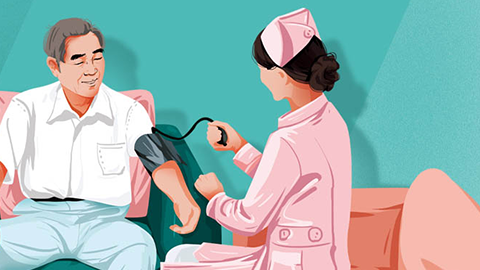
When sleeping, individuals with low blood pressure should slightly elevate the head using an extra pillow—this helps relieve symptoms. Upon waking in the morning, avoid rising abruptly; instead, sit up slowly before standing. Similarly, after lifting heavy objects or defecating, stand up gradually. During bathing, avoid water that is excessively hot or cold, as extreme temperatures may trigger blood pressure fluctuations. Also, avoid prolonged exposure to hot, stuffy, or oxygen-poor environments.

In daily life, patients should maintain a positive mental outlook, actively cooperate with physicians during treatment, take prescribed medications consistently and as directed, and pay close attention to routine self-care—so as to achieve prompt clinical improvement. We hope this information proves helpful to you.


