


What Should You Eat for Low Blood Pressure?
Aug 24, 2022
Source: Cainiu Health

Dr. Li Man
Introduction
For hypotension, consuming foods rich in blood-nourishing properties is beneficial. Hypotension often results from inadequate oxygen delivery due to insufficient blood volume or poor circulation. Patients not only require adequate nutrition and overall good health but may also benefit from blood-tonifying therapies to improve their hypotension. It is recommended that patients regularly consume red dates (jujubes), red beans, and longan aril. However, prolonged consumption of these foods may lead to internal heat or irritability; therefore, patients should drink plenty of water and engage in regular physical activity while undergoing blood-tonifying therapy.
Low blood pressure can cause dizziness and insufficient cerebral blood supply. Prompt treatment is essential, and dietary interventions can effectively improve hypotension. Individuals with low blood pressure should increase their daily salt intake and consume blood-nourishing foods—such as red dates (jujubes) and red beans—to enhance blood volume and better alleviate symptoms of hypotension. So, what foods are beneficial for managing low blood pressure?
What Foods Are Beneficial for Low Blood Pressure?
Individuals with low blood pressure benefit from consuming foods rich in blood-building nutrients. Hypotension often stems from inadequate oxygen delivery by the blood; thus, improving blood quality and volume through nutritional support helps correct this condition. Patients are advised to regularly consume red dates (jujubes), red beans, and longan aril. However, prolonged consumption of these warming, blood-tonifying foods may lead to internal heat accumulation (e.g., irritability or “excess fire”). Therefore, while supplementing blood, patients should drink ample water and engage in regular physical activity—this promotes a gradual, safe rise in blood pressure. With consistent adherence, most patients experience full symptom resolution within one month.

Attention to everyday lifestyle details can also rapidly improve low blood pressure. For instance, elevating the head slightly during sleep helps raise cerebral blood pressure. Regular physical exercise and maintaining healthy sleep habits—including going to bed early and rising early—are highly recommended. Upon waking, patients should avoid abrupt postural changes; instead, they should transition slowly from lying to sitting, then to standing, allowing the body time to adjust gradually. Sudden position shifts may trigger a sharp drop in cerebral blood pressure. Additionally, soaking feet in warm water daily enhances peripheral circulation.
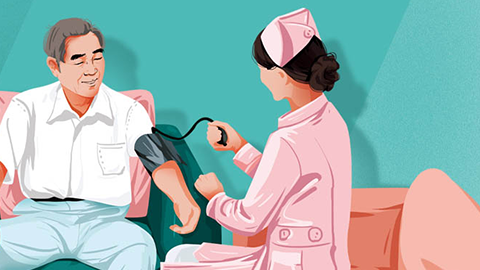
In daily life, cultivating sound lifestyle and dietary habits is essential. We hope this information proves helpful to you.


