


Differences Between Periodontitis and Pulpitis
Aug 02, 2022
Source: Cainiu Health

Dr. Zhang Liwen
Introduction
The distinction between pulpitis and periodontitis lies in the affected tissues: pulpitis involves inflammation of the dental pulp, whereas periodontitis involves inflammation of the periodontal tissues. Pulpitis occurs inside the tooth, while periodontitis affects the structures surrounding the tooth (i.e., outside the tooth). Consequently, the nature of pain differs between the two conditions. In pulpitis, the pain is typically non-localized; patients are often unable to identify the specific affected tooth. Additionally, the pain is usually severe and may be accompanied by referred (radiating) pain. In contrast, pain associated with periodontitis is generally less severe and can be precisely localized to the affected area.
In daily life, many people may be unable to eat due to toothache, which not only affects their personal lives but also impairs work efficiency. The primary reason is the intense pain associated with it. So, what are the differences between periodontitis and pulpitis?
Differences Between Periodontitis and Pulpitis
The key distinction lies in the anatomical location and nature of inflammation: pulpitis refers to inflammation of the dental pulp (the innermost tissue of the tooth), whereas periodontitis involves inflammation of the supporting structures surrounding the tooth—including the gums, periodontal ligament, and alveolar bone. Thus, pulpitis originates inside the tooth, while periodontitis occurs externally. Consequently, the characteristics of pain differ significantly between the two conditions. In pulpitis, the pain is often diffuse and difficult to localize; it tends to be severe and may radiate (referred pain) to adjacent areas such as the jaw, ear, or temple. In contrast, periodontitis typically causes milder, more localized pain—patients can usually identify precisely which tooth is affected.
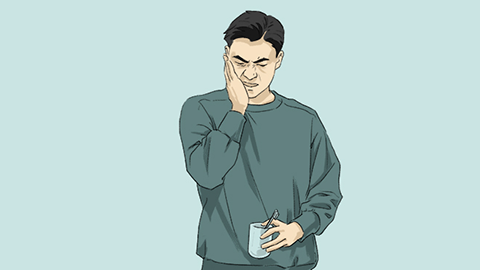
Maintaining good oral hygiene is essential. Poor oral hygiene leads to increased bacterial accumulation in the mouth, predisposing individuals to various dental diseases—including toothache. It is recommended to brush teeth thoroughly twice daily (morning and evening) and rinse with water after each meal. These practices help reduce oral bacterial load and maintain fresh breath. Dental caries is a common and prevalent condition—and one of the leading causes of toothache. Therefore, preventing caries is crucial for preventing toothache. If caries is present, prompt dental evaluation and treatment are necessary.

Patients are advised to limit intake of sweets and carbonated beverages, brush teeth twice daily, and rinse after meals. We hope this information proves helpful.







