


What Causes Nosebleeds in Two-Year-Olds?
Aug 02, 2022
Source: Cainiu Health

Dr. Xie Zixing
Introduction
Nosebleeds in a two-year-old child may be related to dry weather and unhealthy habits such as frequent nose-blowing or nose-picking. Some cases may also be associated with nonspecific inflammation of the nasal cavity and sinuses, including acute rhinitis, atrophic rhinitis, and acute or chronic sinusitis. Rarely, nasal bleeding can result from vascular tumors or papillomas within the nasal cavity; these are primarily caused by local factors.
Nosebleeds are a common symptom in many children, with numerous potential underlying causes—each requiring a different treatment approach. Therefore, if parents notice their child experiencing frequent nosebleeds, it is essential to identify the specific cause. So, what are the possible causes of nosebleeds in a two-year-old?
Causes of Nosebleeds in Two-Year-Olds
Nosebleeds in toddlers aged two may be associated with dry weather and poor habits such as vigorous nose-blowing or nose-picking. Some cases may stem from nonspecific inflammatory conditions affecting the nasal cavity and sinuses—for example, acute rhinitis, atrophic rhinitis, or acute and chronic sinusitis. Rarely, benign vascular tumors (e.g., hemangiomas) or papillomas within the nasal cavity can also cause epistaxis; these are typically attributable to local factors. Systemic causes include hemorrhagic purpura, leukemia, aplastic anemia, and hemophilia. Additionally, children with certain systemic illnesses—such as heart disease, nephritis, or even rheumatic fever—may also present with nosebleeds. Furthermore, fever or drug toxicity can trigger epistaxis in two-year-olds.

If a two-year-old experiences a nosebleed, immediate first aid should involve applying gentle pressure using a clean cotton ball or gauze pad to achieve hemostasis. After compression, carefully observe whether active bleeding persists. Once bleeding has completely stopped, gently remove the cotton ball or gauze and ensure proper local care. Consider whether external trauma—such as recent nose-picking—or mucosal dryness secondary to fever might have contributed. If so, appropriate behavioral correction or supportive measures should be implemented. However, if bleeding continues despite adequate pressure, prompt referral to an otolaryngology (ENT) specialist is recommended for professional management—including targeted compression techniques—and further evaluation via complete blood count (CBC) and coagulation function tests.
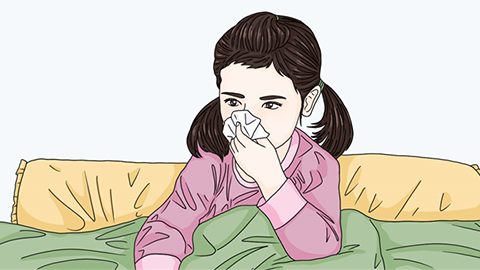
In excessively dry weather, encourage the child to drink more warm water and consider using a humidifier to improve indoor air moisture levels. We hope this information proves helpful.


