


Why Does a Two-Year-Old Toddler Experience Nosebleeds?
Aug 02, 2022
Source: Cainiu Health

Dr. Xie Zixing
Introduction
For a two-year-old child, epistaxis is more commonly associated with inadequate nutrient intake due to picky eating. It may also result from nasal pathology itself—such as inflammatory infections, mucosal injury caused by repeated nose-picking—or may be a manifestation of systemic disorders, including hematologic diseases or vitamin deficiencies. We recommend performing nasal endoscopy first to examine the entire nasal cavity from anterior to posterior.
Nosebleeds are a common symptom in many infants, with numerous potential underlying causes—each requiring a different treatment approach. Therefore, if parents notice their child experiencing frequent nosebleeds, it is essential to identify the specific cause. So, what could be causing nosebleeds in a two-year-old?
What Causes Nosebleeds in Two-Year-Olds?
In two-year-olds, nosebleeds are most commonly associated with inadequate nutrition due to picky eating habits. They may also stem from nasal conditions such as inflammatory infections, mucosal injury caused by repeated nose-picking, or systemic disorders—including hematologic diseases (e.g., coagulopathies or leukemia) and vitamin deficiencies. We recommend starting with nasal endoscopy to examine the entire nasal cavity thoroughly, from anterior to posterior. If necessary, blood tests should be performed to rule out coagulation disorders or hematologic malignancies like leukemia. If no abnormalities are found, saline nasal spray may be used to maintain mucosal moisture.
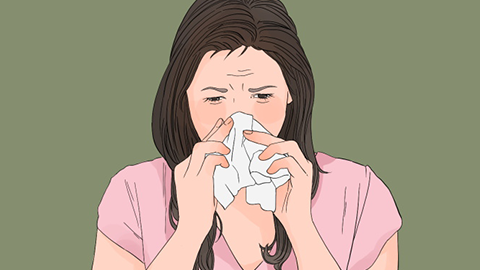
For a two-year-old experiencing nosebleeds, apply gentle pressure to the anterior portion of the nasal septum using the thumb and index finger—or insert a sterile cotton ball into the nostril—to achieve hemostasis via compression. In this age group, nosebleeds are typically triggered by nasal dryness and heat-induced rupture of nasal mucosal blood vessels. Encourage the child to drink warm water regularly. Ideally, use a humidifier in the bedroom to maintain optimal indoor humidity. If bleeding stops spontaneously, no further treatment is required. During recovery, maintain a light, bland diet; avoid greasy foods, beef, and lamb—which may exacerbate internal “heat” (a traditional concept referring to inflammatory or hypermetabolic states).
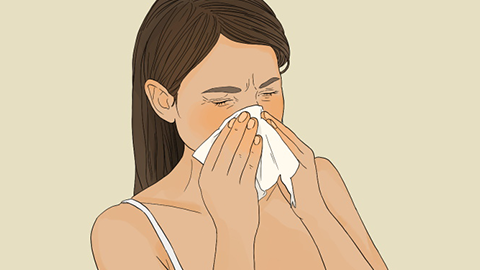
If ambient air is excessively dry, offer the child additional warm boiled water to help improve indoor humidity levels, and apply a lubricating ointment inside the nasal passages. We hope this information proves helpful.


