


How to Prevent Stroke
Aug 03, 2022
Source: Cainiu Health

Dr. He Haochen
Introduction
There are two approaches to stroke prevention: primary prevention and secondary prevention. Primary prevention involves managing underlying conditions in middle-aged and elderly individuals—and some younger people—to prevent the initial occurrence of stroke. Secondary prevention aims to prevent stroke recurrence. Middle-aged and elderly patients can control cerebral arteriosclerosis, hypertension, diabetes, and dyslipidemia through appropriate management strategies—such as regulating blood pressure, glycemic control, and lipid-lowering therapy—to achieve target levels for blood lipids.
Stroke occurs somewhere in the world every six seconds, with half of all cases occurring in China. Stroke prevention has thus become an urgent public health priority, and May 25th is designated World Stroke Prevention Day each year. According to epidemiological data, one person suffers a stroke every 12 seconds, and one person dies from stroke every 21 seconds. With population aging, stroke has become a major contributor to disease burden and a serious threat to public health. So how can stroke be prevented?
How to Prevent Stroke
There are two main approaches to stroke prevention: primary prevention and secondary prevention. Primary prevention targets middle-aged and older adults—and some younger individuals—with underlying medical conditions, aiming to prevent first-ever strokes. Secondary prevention focuses on reducing the risk of recurrent stroke in those who have already experienced one. For middle-aged and older patients, primary prevention includes managing cerebral arteriosclerosis, controlling blood pressure in hypertensive patients, regulating blood glucose in diabetic patients, correcting dyslipidemia to achieve target lipid levels, and actively treating hyperhomocysteinemia. Effectively managing these underlying conditions helps control stroke risk in high-risk populations and prevents cerebrovascular diseases—including stroke.
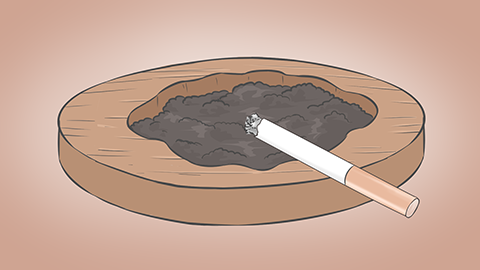
Stroke prevention primarily involves modifying modifiable risk factors. Particular attention should be paid to controlling blood pressure, blood glucose, and blood lipid levels. Unhealthy lifestyle habits—such as staying up late, smoking, and excessive alcohol consumption—should be eliminated. For individuals with multiple non-modifiable risk factors (e.g., advanced age, race, sex, or genetic predisposition), it is especially important to minimize modifiable risks to reduce overall stroke risk as much as possible. Clinically, stroke risk factors are categorized into non-modifiable factors—including age, race, sex, and genetics—and modifiable factors such as hypertension, smoking, heavy alcohol use, diabetes, dyslipidemia, asymptomatic carotid artery stenosis, atrial fibrillation, excessive sodium intake, and use of oral contraceptives.

Patients are advised to get adequate rest and avoid overly strenuous household chores; when necessary, pharmacologic interventions may be used for symptom relief. We hope this information proves helpful.



