


How to Prevent Stroke
Aug 24, 2022
Source: Cainiu Health

Dr. He Haochen
Introduction
Preventing stroke begins with controlling hypertension and maintaining regular physical exercise. Managing and reducing transient ischemic attacks (TIAs)—characterized by temporary symptoms such as limb numbness, dizziness, double vision, dysphagia, or gait instability—is a critical step in stroke prevention. If a minor stroke occurs, prompt treatment must be initiated immediately; this can potentially prevent progression to a full-blown stroke.
Stroke occurs somewhere in the world every six seconds—and half of these cases occur in China. Stroke prevention has thus become an urgent public health priority! According to epidemiological surveys, one person suffers a stroke every 12 seconds, and one person dies from stroke every 21 seconds. With population aging, cerebrovascular disease has become a major threat to public health and a significant contributor to disease burden. So how can stroke be prevented?
How to Prevent Stroke
The primary step in stroke prevention is controlling hypertension and maintaining regular physical exercise. Equally critical is managing and reducing transient ischemic attacks (TIAs)—brief episodes of cerebral hypoperfusion—characterized by temporary symptoms such as limb numbness, dizziness, double vision, dysphagia, or gait instability. Prompt recognition and treatment of even mild stroke symptoms can help prevent progression to full-blown stroke. Additionally, individuals should remain vigilant for early warning signs—including dizziness, headache, numbness in the limbs, excessive drowsiness, or personality changes—and seek timely medical intervention to avert stroke onset.
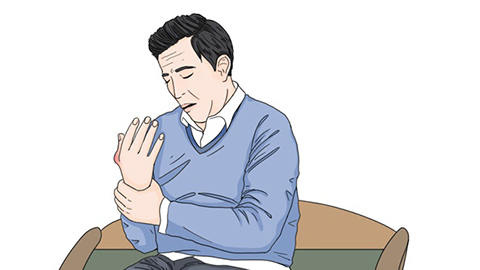
Patients should eliminate known stroke triggers—such as emotional stress, excessive fatigue, or sudden strenuous exertion—as well as cultivate self-regulation and avoidance strategies. Underlying conditions predisposing to stroke—including atherosclerosis, diabetes mellitus, coronary artery disease, hyperlipidemia, and cervical spondylosis—must be diagnosed and treated promptly. Dietary habits should be adjusted appropriately: low-salt, low-sugar, and low-cholesterol intake; smoking cessation; and moderation in alcohol consumption. Regular monitoring of blood glucose and lipid profiles is essential. Consistent physical activity and exercise promote cholesterol metabolism, lower serum lipid levels, reduce platelet aggregation, and alleviate psychological stress and physical fatigue.
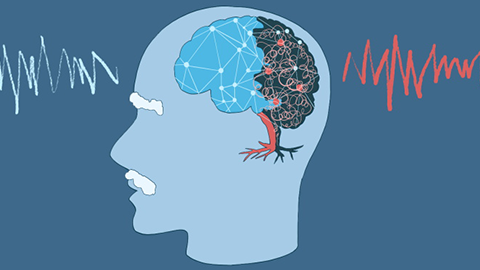
In daily life, patients should maintain a positive mental outlook, actively cooperate with physicians during treatment, take prescribed medications regularly and at the correct dosage, and pay close attention to routine self-care—thereby facilitating prompt clinical improvement. We hope this information proves helpful to you.



