


How to Prevent Stroke
Aug 22, 2022
Source: Cainiu Health

Dr. Yang Jun
Introduction
Stroke prevention should begin with identifying risk factors and implementing interventions to mitigate them. For instance, ischemic stroke has numerous associated risk factors, including hypertension, hyperlipidemia, hyperglycemia, smoking, and alcohol consumption. Therefore, targeted interventions for these risk factors—as well as management of related conditions—are essential to prevent ischemic stroke.
Stroke is a very common condition in daily life, particularly prevalent among the elderly. To prevent stroke, proactive preventive measures must be taken before onset to avoid disease progression and worsening symptoms—since stroke can significantly impair physical health. So, how can stroke be prevented?
How to Prevent Stroke
Stroke prevention should focus on identifying and managing risk factors. For example, ischemic stroke (cerebral infarction) is associated with multiple risk factors, including hypertension, hyperlipidemia, hyperglycemia, smoking, and excessive alcohol consumption. Therefore, targeted interventions addressing these modifiable risk factors—and management of related conditions—are essential for preventing cerebral infarction. Routine follow-up examinations are recommended; when clinically indicated, brain CT or MRI scans may be performed for further risk assessment and prevention.
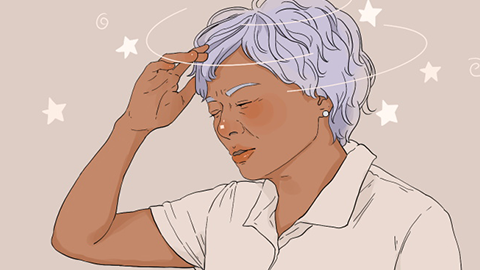
Preventive strategies include traditional Chinese medicine (TCM) regulation, smoking cessation, alcohol abstinence, and reducing intake of high-fat foods. Although hypertension is a major cause of stroke, some strokes occur independently of hypertension—for instance, excessive use of antihypertensive medications may precipitate cerebral infarction. Cerebral infarction commonly develops under conditions of low blood pressure; thus, prevention is crucial regardless of whether stroke results from hypertensive hemorrhage or hypotension-induced infarction.
In daily life, maintain a light, balanced diet; avoid overeating or binge eating, and limit consumption of greasy foods. Refrain from spicy, cold, or highly stimulating foods. Strictly abstain from tobacco and alcohol. We hope this information is helpful to you.



