


What to Do in Case of a Sudden Heart Attack
Aug 03, 2022
Source: Cainiu Health

Dr. Li Man
Introduction
Emergency management of acute heart disease should be tailored according to the specific type of cardiac condition. First, for angina pectoris: if an angina attack occurs, sublingual nitroglycerin tablets should be administered under a physician’s guidance to relieve symptoms. If nitroglycerin is unavailable, rapid-acting cardiovascular pills (e.g., Su Xiao Jiu Xin Wan) may be used as an alternative to alleviate symptoms. If angina persists despite treatment, prompt medical evaluation and therapy at a hospital are essential.
Heart disease is a common condition. In recent years, the number of deaths caused by heart disease has been steadily increasing, making it one of the leading causes of mortality. For heart disease, prevention should be our top priority—early detection before symptoms manifest, followed by timely and effective treatment, is essential to safeguarding life and health. So, what should you do in the event of an acute cardiac episode?
What to Do During an Acute Cardiac Episode
Emergency management of acute heart disease depends on the specific type of cardiac condition. First, for angina pectoris: if an angina attack occurs, nitroglycerin tablets should be placed under the tongue—as directed by a physician—to relieve chest pain. If nitroglycerin is unavailable, rapid-acting cardiovascular pills (e.g., Su Xiao Jiu Xin Wan) may be used as an alternative to alleviate symptoms. Should the angina persist despite medication, prompt medical evaluation—including an electrocardiogram (ECG)—is critical to rule out myocardial infarction. Second, acute heart failure typically presents with dyspnea and diaphoresis; immediate hospitalization is required. Third, cardiac arrest—characterized by loss of consciousness, absence of arterial pulse, and disappearance of heart sounds—requires immediate cardiopulmonary resuscitation (CPR), specifically high-quality chest compressions, which can restore spontaneous circulation and save lives. Additionally, arrhythmias such as tachycardia also necessitate urgent hospital evaluation for accurate diagnosis and appropriate treatment.
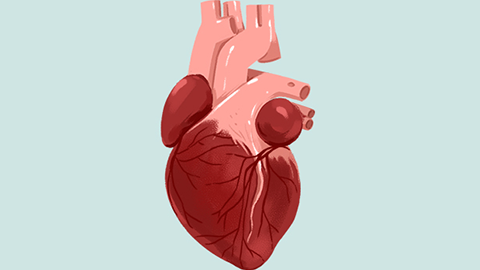
Heart disease may be triggered by poor dietary habits. Improper diet is a primary contributing factor: frequent overeating or habitual consumption of high-fat foods without moderation can disrupt gastrointestinal and spleen-stomach function, thereby increasing susceptibility to heart disease and potentially triggering other comorbid conditions.
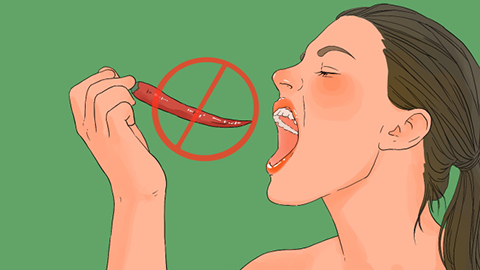
Patients are advised to follow a light, low-fat diet; avoid spicy, stimulating foods; abstain from tobacco and alcohol; maintain regular sleep-wake cycles; and avoid staying up late. We hope this information proves helpful to you.




